
Military
6.8mm Remington SPC
Special Forces pick
The 6.8mm Remington SPC — Special Purpose Cartridge — is an intermediate rifle cartridge developed specifically to give the AR-15 platform more terminal performance at combat ranges than 5.56 NATO delivers. It hits harder, makes bigger holes, and transfers more energy to the target while still running in a standard AR-15 lower. It’s the cartridge that came out of real-world feedback from people who were actually in the fight and decided they needed something with more authority than the standard issue round.
The 6.8mm Remington SPC was developed jointly by Remington Arms, the U.S. Army Marksmanship Unit at Fort Benning, and elements of SOCOM — United States Special Operations Command. Development began in the early 2000s, driven directly by after-action reports from Afghanistan and Iraq where terminal performance of 5.56 at distance was a documented concern. The cartridge is based on the .30 Remington case, necked down and modified for AR-15 compatibility. Remington formally introduced it in 2004. It never achieved military adoption at scale — logistical realities and institutional inertia are powerful forces — but it found a strong following among special operations units and civilian precision and hunting shooters who read the same terminal performance data the military did.
Standard 6.8 SPC loads push a 115-grain bullet at approximately 2,625 feet per second, generating around 1,759 foot-pounds of muzzle energy. In SPC II chamber spec — which most modern rifles use — you get slightly better performance and better pressure management. The step up from 5.56 in terminal energy is meaningful: roughly 40 percent more muzzle energy than a standard 5.56 load. At 300 yards the gap remains significant. Recoil is moderate and manageable. The round feeds reliably from dedicated 6.8 SPC magazines and works with a standard AR-15 lower. It doesn’t ask much of you mechanically, and it delivers considerably more downrange.
Hunting is a natural fit — the 6.8 SPC is fully capable on whitetail deer and hogs, and the AR-15 format makes it a practical and effective hunting platform. Special operations and law enforcement units that adopted it found it addressed the terminal performance concerns that drove its development. For civilian shooters, the 6.8 SPC lives in the space between 5.56 and the larger .308-class rounds: more punch than 5.56 without the weight and bulk of going to an AR-10. If you’re a hog hunter who runs an AR-15 and wants to stop worrying about whether your cartridge is enough gun, the 6.8 SPC is worth serious attention. It’s also a capable defensive cartridge for those who want the AR format with more terminal authority than 5.56 provides.
Barrett, LWRC, CMMG, Stag Arms, and a range of other manufacturers offer 6.8 SPC uppers and complete rifles. The conversion from a standard 5.56 AR-15 lower requires an upper swap and dedicated magazines — the lower, buffer, and stock typically carry over without changes. Remington has offered the round in some bolt-action configurations as well. The platform support isn’t quite as extensive as the most popular AR-15 cartridges, but it’s well-established enough that finding a quality upper or complete rifle isn’t a challenge. SPC II chamber spec is the current standard and what you should be looking for in any new build.
Against 5.56 NATO, the 6.8 SPC wins the terminal performance argument decisively, particularly inside 500 yards. You give up some magazine capacity and the 5.56’s flatter trajectory at extended distances. Against 6.5 Grendel — the other major AR-15 range-extension option — the Grendel has a better ballistic coefficient and performs better at long range, while the 6.8 SPC hits harder at close to medium range where most real-world shooting happens. Against .300 Blackout, the 6.8 SPC has a velocity and energy advantage in supersonic configuration, while the Blackout offers the subsonic suppressed niche the SPC doesn’t occupy. These are all legitimate tools solving different versions of the same problem.
Arms East stocks 6.8 SPC for the shooters who understand what SOCOM was trying to solve and want that same solution for hunting, defensive use, or just running a more capable AR. If you’re comparing it against 6.5 Grendel or .300 Blackout and can’t quite land on a decision, come in and talk through your specific use case. The staff here has shot all three and has opinions. Good ones. The kind that come from actual trigger time, not spec sheets.
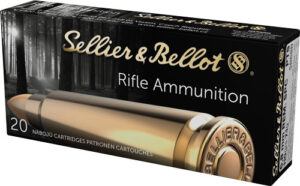
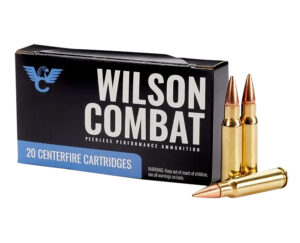
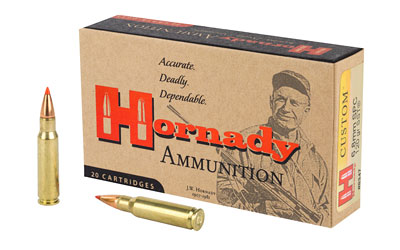
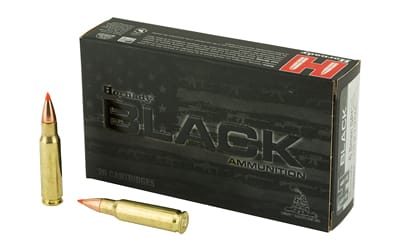
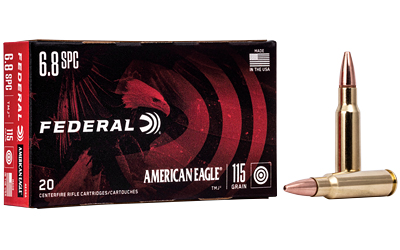
6.8MM REMINGTON SPC Ammunition (10)
- Rifle Ammunition Add to cartOriginal price was: $32.00.$28.00Current price is: $28.00. SALEIn Stock



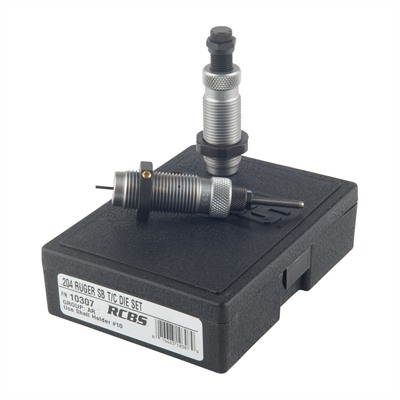
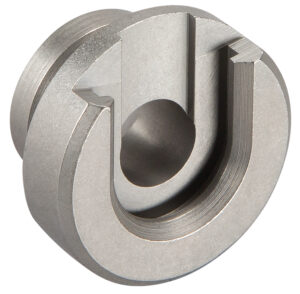
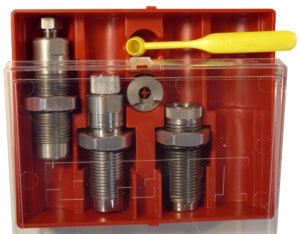
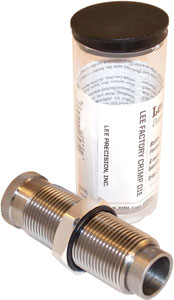
6.8MM REMINGTON SPC Reloading (6)


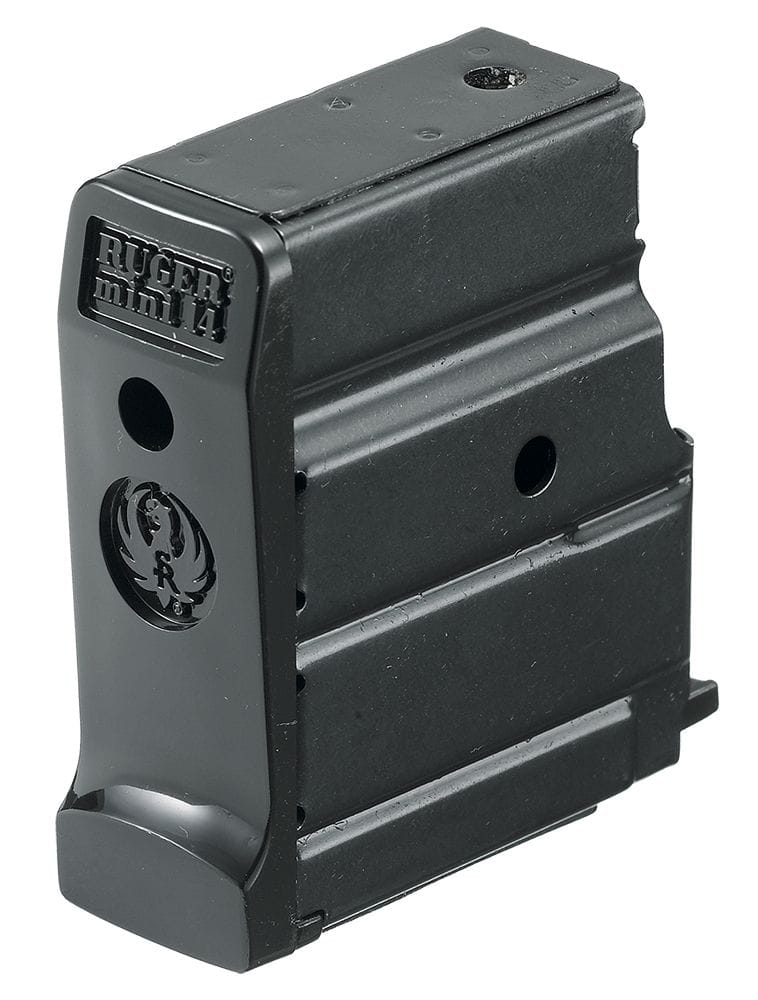
6.8MM REMINGTON SPC Magazines (7)

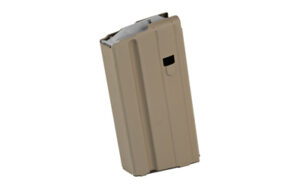
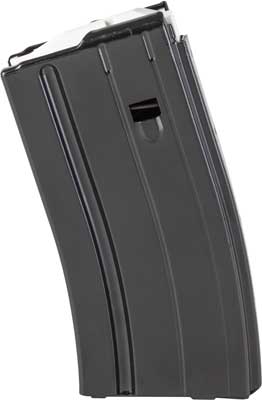
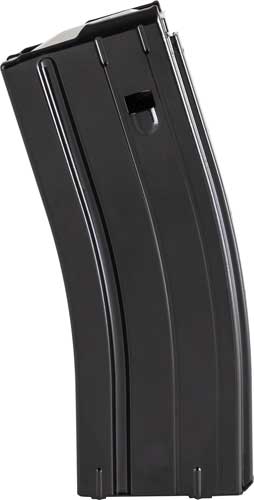
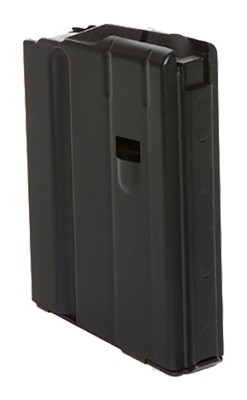
C Products Defense AR15 6.8 Remington SPC 5 Round Blackened Stainless Steel Magazine
C Products DefenseAdd to cartRifle Magazines Add to cartOriginal price was: $17.00.$16.00Current price is: $16.00. SALELow Stock

6.8MM REMINGTON SPC Parts & Accessories (1)
- AR Muzzle Devices Add to cartOriginal price was: $103.00.$97.00Current price is: $97.00. SALEIn Stock
