Shotgun
10 Gauge
When 12 gauge is not enough
The 10 gauge is the largest shotgun gauge that American hunters regularly use and commercially available ammunition regularly serves. The bore diameter is defined by 10 lead balls of that diameter equaling one pound — a specification that produces a bore so large that first-time viewers of a 10 gauge shell often do a double take. This is not a subtle gauge. It exists for one reason: maximum payload at maximum range, for hunters who have decided that the 12 gauge’s best efforts are not quite enough.
The 10 gauge was a mainstream hunting gauge in the 19th and early 20th centuries, before the 12 gauge magnum loads of the mid-20th century largely closed the performance gap. Waterfowlers running market hunting operations favored large-bore guns for their payload capacity. Federal regulations banning non-toxic shot for waterfowl hunting in 1991 gave the 10 gauge a second life — steel shot is less dense than lead, requiring more volume to achieve comparable pattern density, and the 10 gauge’s large bore handles that volume better than any 12 gauge chamber. Ithaca’s Mag-10 and Browning’s Gold 10 and BPS 10 gauge kept the platform alive through the late 20th century. Today, Browning’s BPS and a handful of other manufacturers maintain the 10 gauge as a viable option for hunters who need every advantage the platform provides.
The standard 10 gauge shell is 3.5 inches long and holds up to 2 ounces of shot — meaningfully more than even the most aggressive 3.5-inch 12 gauge loads. Velocities run around 1,100 to 1,200 feet per second with heavy steel payloads. The result is more pellets in the air, denser patterns at range, and more energy delivered to the target. Recoil is substantial — the 10 gauge earns its reputation here, and even in gas-operated semi-auto configurations, this is a round that lets you know it fired. The guns themselves are large and heavy, which helps manage the recoil but creates a different kind of challenge over a long day in a blind. The 10 gauge is not a casual choice. It’s a deliberate one.
Waterfowl hunting is the primary application and really the defining purpose of the modern 10 gauge — geese and late-season ducks at the ranges and with the steel shot payloads that push the 12 gauge to its limits. Goose hunters working large Canada geese at 50-plus yards with steel shot are the core 10 gauge constituency. Turkey hunting at extended range is another application where the extra payload provides meaningful advantage. The 10 gauge is not a versatile gauge in the 12’s sense — it’s a specialized tool for serious hunters who have identified a specific performance gap the 12 gauge can’t quite close and are willing to accept the additional weight and recoil to fill it. These are not casual shooters. They’re people who care very much about what happens at 60 yards with steel shot.
The selection is narrower than any other commonly used gauge. Browning’s BPS pump is the most widely available current production 10 gauge firearm and has been for years. Browning’s Gold 10 semi-auto has been offered historically. Remington’s SP-10 Magnum was a significant gas-operated 10 gauge semi-auto that served waterfowlers well during its production run. Mossberg offered a 10 gauge version of their pump platform. Older Ithaca Mag-10 and related semi-autos appear regularly in the used market and remain popular with dedicated 10 gauge hunters. The new production market is genuinely thin — if you’re buying a 10 gauge today, Browning is the most straightforward answer, and the used market offers alternatives worth considering.
Against 12 gauge in 3.5-inch magnum configuration, the practical performance difference has narrowed considerably. Modern 3.5-inch 12 gauge loads push payloads and velocities that would have seemed like 10 gauge territory two decades ago. Serious waterfowlers debate whether the remaining advantage justifies the 10 gauge’s weight, recoil, ammunition cost, and limited firearm selection. The honest answer is: for most hunters, in most situations, the 3.5-inch 12 magnum is close enough. For hunters who work consistent long ranges with steel shot on large geese — and know it — the 10 gauge’s margin is real and worth having. This is a gauge for people who have run the numbers and decided the edge matters. They’re usually right about their own hunting.
Arms East stocks 10 gauge shells for the hunters who need them and doesn’t make them feel like they’re ordering something exotic off a hidden menu. If you run a 10 gauge for geese and need a shop that actually has your ammunition and can talk seriously about payload options and choke selection for steel, come in. The staff respects the choice. A hunter who has decided the 10 gauge is the right tool has done more thinking about their craft than most. That deserves a shop that’s done the same.
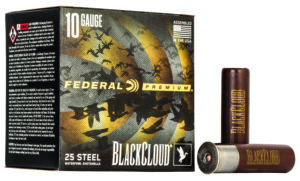
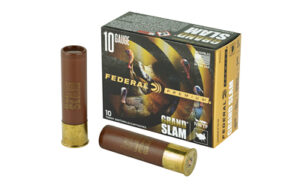
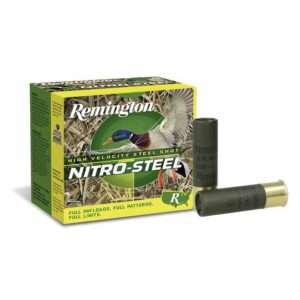
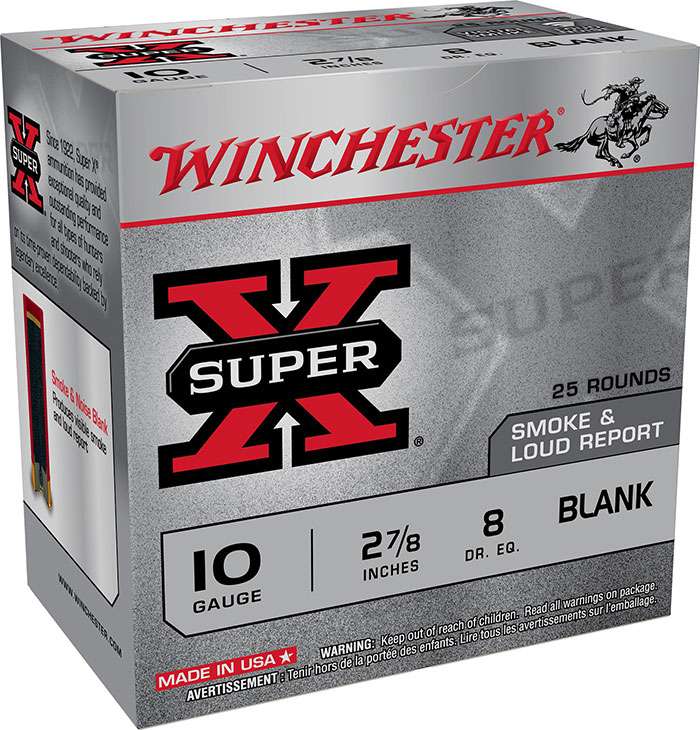
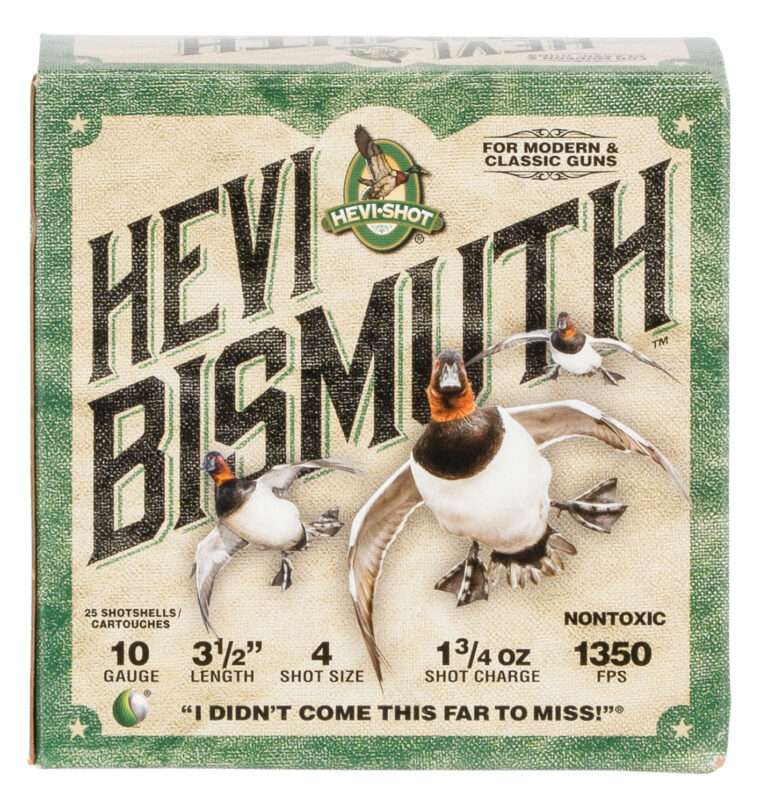
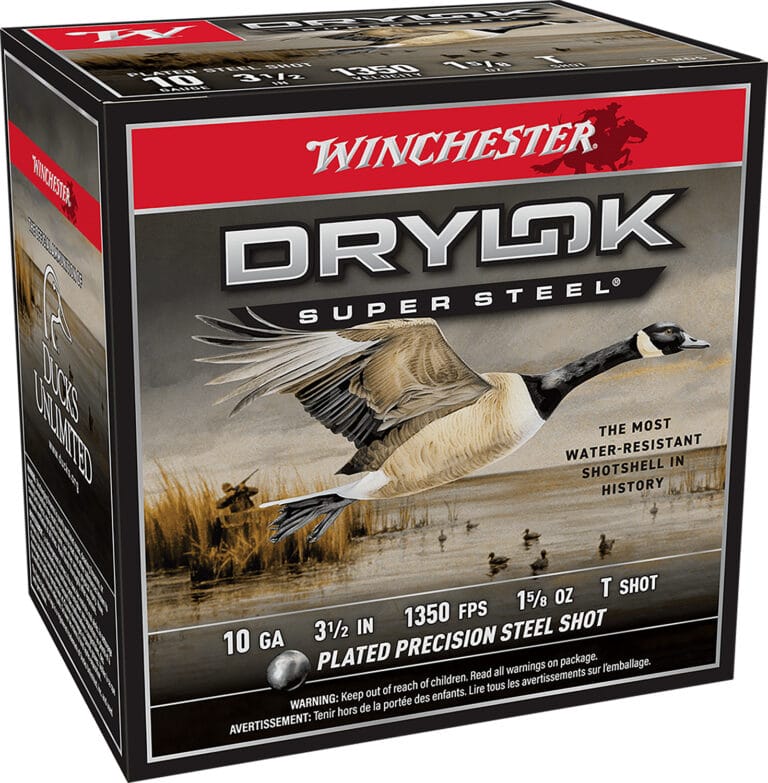
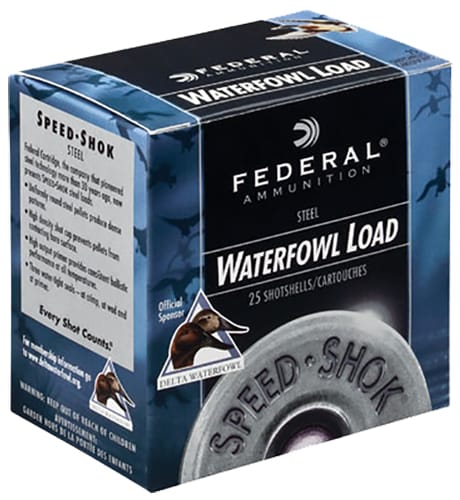
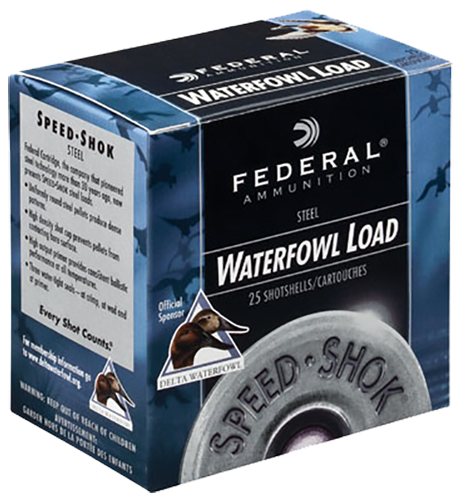
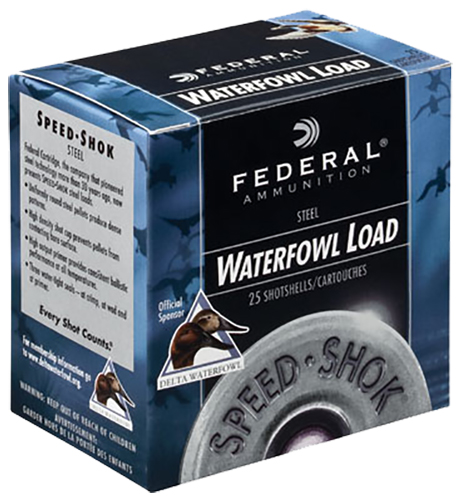
10 Gauge Ammunition (14)


10 Gauge Reloading (1)
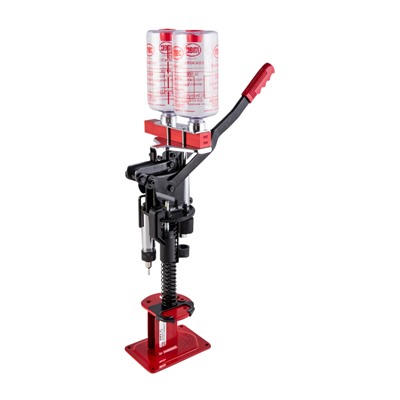
- Reloading Presses & Kits Add to cartOriginal price was: $355.00.$322.00Current price is: $322.00. SALELow Stock