Straight-Wall
.45-70 Government
1873 and still going
The .45-70 Government is 150 years old and it is still killing everything that walks. Let that sink in. A cartridge adopted by the U.S. Army in 1873 — when Ulysses S. Grant was president — is still being manufactured, still being hunted with, and still being respected by everyone who understands what it does to living tissue. It fires a large .458-inch diameter bullet, originally designed for the Springfield Model 1873 “Trapdoor” rifle, and it has never once needed to apologize for being itself.
The U.S. Army adopted the .45-70 Government in 1873 to replace the .50-70, which is a sentence that tells you something about how serious the 19th century was about projectile diameter. It served as the standard U.S. military rifle cartridge through the Indian Wars and into the late 1800s, chambered in the iconic Springfield Trapdoor and later the Sharps and various Winchester lever guns. By the 1890s the military had moved on to smokeless powder cartridges, but the .45-70 never left — it just moved into the hands of hunters and lever-gun enthusiasts who had no interest in stopping. Marlin’s lever-action rifles kept it alive and beloved through the 20th century. It’s now chambered in everything from lever guns to single-shots to Ruger No. 1s to the occasional bolt action, and ammunition is easy to find. If it ain’t broke, don’t fix it.
Big game hunting. Not deer-sized big game — any game. The .45-70 is used on whitetail, elk, moose, black bear, brown bear, Cape buffalo, and anything else that needs to be convinced firmly and immediately to stop moving. At woods ranges — inside 150 yards — it is devastatingly effective. Guides in Alaska trust it for bear protection. Lever-gun hunters across North America use it as their all-season, all-species answer. It’s also a fantastic woods deer cartridge for people who appreciate a rifle that has been doing this job since before their great-great-grandparents were born.
Here’s where things get interesting, because the .45-70 has a wider ballistic range than almost any cartridge on the market. Factory loads are downloaded from their potential to be safe in older firearms like the original Trapdoor Springfield, so standard ammo runs a 405-grain bullet at around 1,330 feet per second — modest by modern standards. But in a modern Marlin 1895 or Ruger No. 1, handloaders push 400-grain bullets past 2,100 feet per second with energy figures that rival the .458 Winchester Magnum. The cartridge can be loaded mild for a Trapdoor or absolutely nuclear for a modern lever gun. Know your rifle before you load it hot — that’s not a warning, that’s just respect for history.
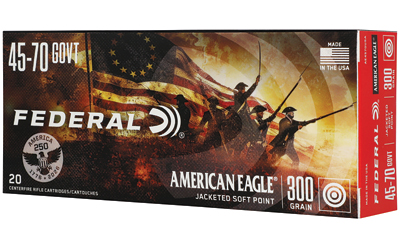
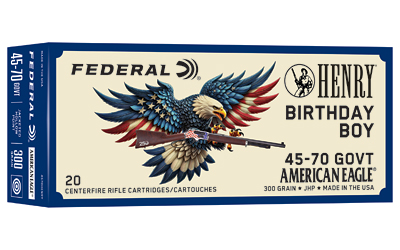
Factory ammunition is widely available from Federal, Hornady, Buffalo Bore, and others. Standard loads use 300 to 405-grain bullets in flat-nose, soft-point, and hollow-point configurations. Hornady’s LEVERevolution line offers a flex-tip spitzer design safe for tubular magazines that gives the .45-70 better downrange performance without the pointed-bullet-in-a-tube-magazine problem. Buffalo Bore makes heavy loads that are strictly for modern actions and turn the .45-70 into something that would make Alaskan guides nod approvingly. Handloading options are extensive, and cast bullet shooting in this caliber has a huge following. The community around this cartridge is passionate.
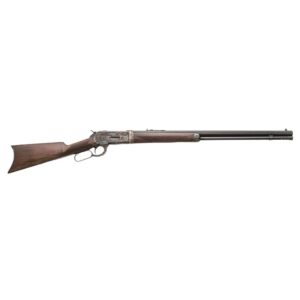
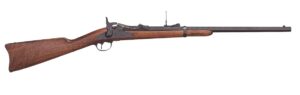
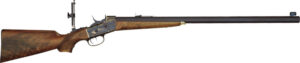
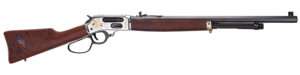
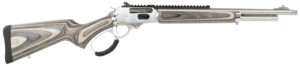
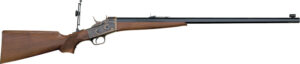
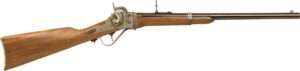
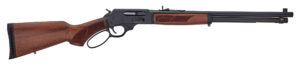
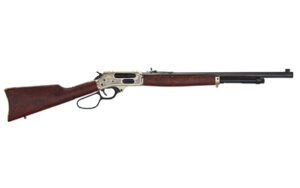
The .45-70 Government lives primarily in lever-action and single-shot rifles. The Marlin 1895 is the modern standard-bearer — strong enough for stout loads and absolutely reliable. The Ruger No. 1 single-shot is a classic choice. Henry makes lever guns in .45-70 as well. Original Springfield Trapdoor rifles are still around and still shootable with appropriate light loads — they’re also collectible pieces of American history. You’ll find .45-70 in bolt actions occasionally, and there are even a few break-action options. Whatever the platform, this cartridge adapts and delivers.
We carry .45-70 Government ammunition and lever-action rifles, and we genuinely enjoy talking about this caliber. It’s one of those cartridges that has its own personality — a little old-school, completely unapologetic, and effective on a level that impresses people who are used to modern bottlenecked cartridges. If you want to hunt with something that was protecting homesteaders from grizzly bears when the transcontinental railroad was still new, come in. We’ll put the right rifle and the right load in your hands.
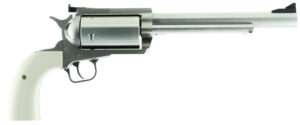
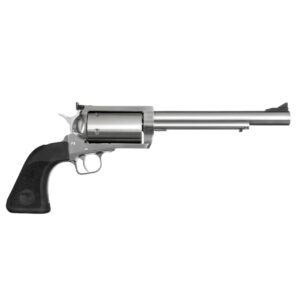
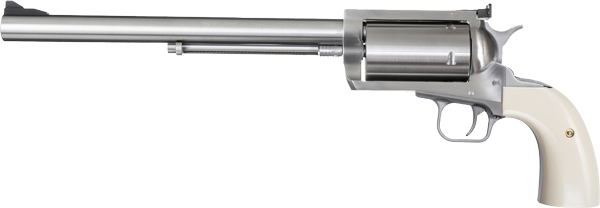
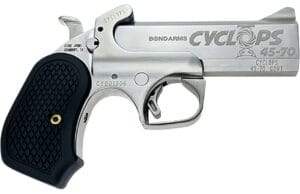
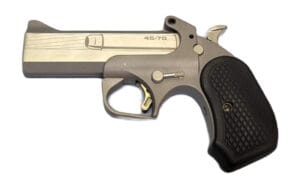
.45-70 Government Handguns (6)

.45-70 Government Rifles (54)
- Lever Action Rifles Add to cartOriginal price was: $1,051.00.$933.00Current price is: $933.00. SALEIn Stock




.45-70 Government Ammunition (31)

Underwood Ammo 45-70 Government 325 Grain Solid Monolithic Rifle Ammunition
Underwood AmmoAdd to cartRifle Ammunition Add to cartOriginal price was: $99.00.$88.00Current price is: $88.00. SALEIn Stock
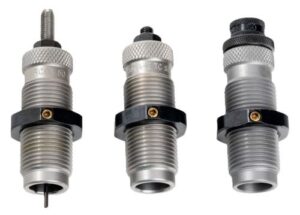
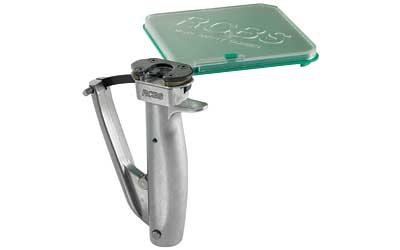
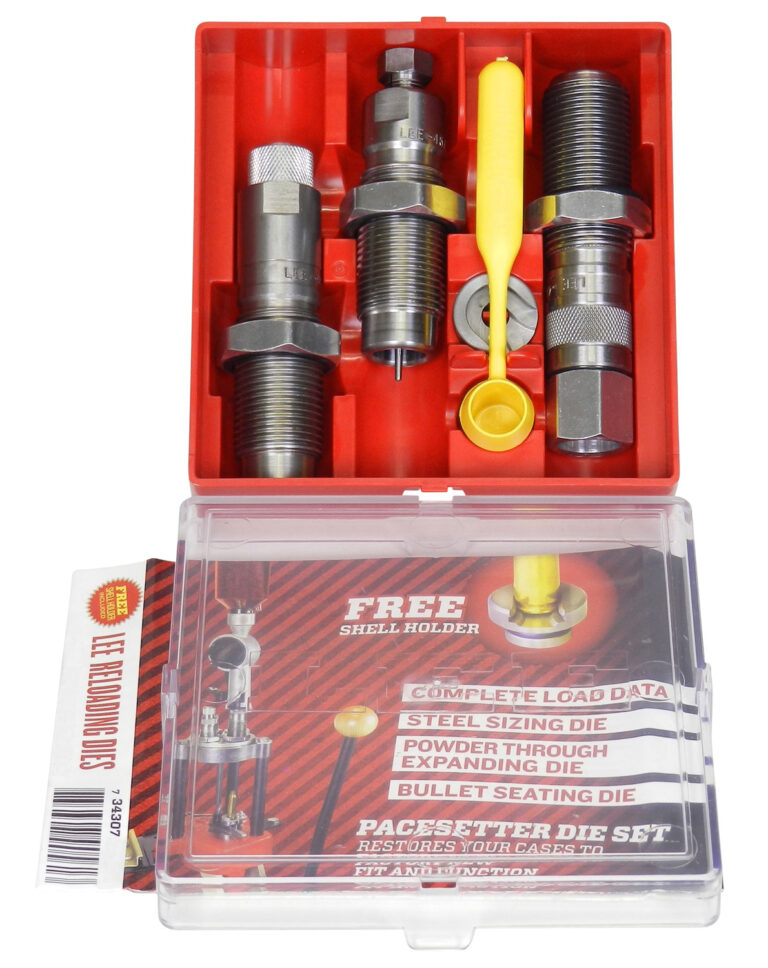
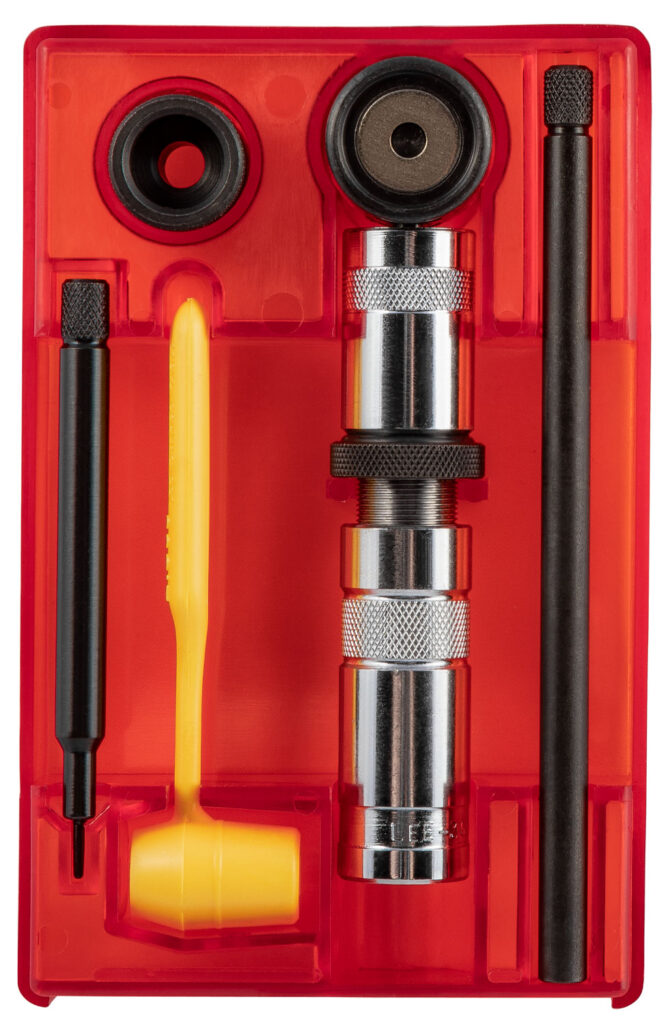
.45-70 Government Reloading (6)
- Case Preparation Add to cartOriginal price was: $87.00.$79.00Current price is: $79.00. SALEIn Stock