Military
.50 BMG
John Browning’s masterpiece
The .50 BMG — Browning Machine Gun — is exactly what it sounds like, and it is every bit as much as you’re imagining. This is a cartridge that fires a half-inch diameter bullet at nearly three times the speed of sound and hits the target with more energy than some artillery rounds. It was designed for machine guns in 1921 by John Moses Browning, the most productive firearms designer in American history, and it has been in continuous military service ever since. Shooting one for the first time is an experience that recalibrates your sense of scale. Things disappear at distances that don’t seem real.
John Browning designed the .50 BMG in 1921 alongside the M2 machine gun that bears his name — the legendary “Ma Deuce.” The need was driven by World War I’s demand for a heavy machine gun capable of defeating light armor and aircraft. Browning delivered a cartridge so well-engineered that over 100 years later it remains the standard heavy machine gun and anti-materiel cartridge for the United States and most of the Western world. The M2 machine gun itself has been in continuous production longer than any other firearm in U.S. military history. When Ronnie Barrett started building semi-automatic rifles chambered for .50 BMG in the 1980s, he opened up the civilian market for long-range anti-materiel shooting, and the Barrett M82 became an icon in its own right. The .50 BMG is older than television, and it is not going anywhere.
Militarily, the .50 BMG is used in the M2 machine gun, the M107 semi-automatic rifle, and various aircraft and vehicle-mounted weapons for engaging light armor, vehicles, aircraft, and fortifications at long range. In the civilian world, it’s the king of extreme long-range target shooting. Shooting steel at a mile is achievable by a competent shooter with quality .50 BMG equipment — and that alone is a reason to own one. It’s also used in anti-materiel roles where penetration through hard cover is required. It is not a hunting cartridge in any practical sense, though it is technically used for long-range varmint control in some contexts. Mostly it’s used because shooting something this powerful is a fundamentally satisfying experience that no other cartridge fully replicates.
A standard 660-grain FMJ ball cartridge leaves the muzzle at approximately 3,050 feet per second and generates around 13,300 foot-pounds of muzzle energy. For reference, a .308 Winchester generates roughly 2,600 foot-pounds. The .50 BMG hits with five times that energy. Match loads using 750-grain bullets are also common for long-range target shooting, trading a little velocity for better ballistic coefficient and accuracy at extreme distances. The cartridge stays supersonic past 2,000 meters. Recoil is managed by the weight of the rifles chambered for it and substantial muzzle brakes — a Barrett M82 weighs about 30 pounds empty, which is part of the engineering solution to firing this thing from the shoulder.
Military surplus ball ammunition and commercially manufactured match loads are both available. Lake City Army Ammunition Plant produces it in quantity. For precision long-range shooting, match-grade loads from Hornady, Federal, and Lapua are available. Hornady’s A-MAX and ELD Match loads in .50 BMG are excellent for target work at extreme distance. API (Armor Piercing Incendiary) and tracer rounds are available in military surplus under appropriate regulations. Handloading .50 BMG is done but requires specialized equipment — the press alone needs to be heavy-duty. Most shooters buy factory ammo and invest their patience in their technique instead.
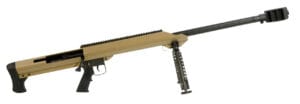
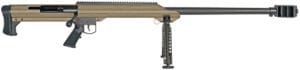
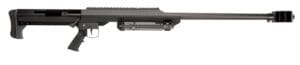
The Barrett M82 and M107 are the iconic civilian-accessible semi-automatic platforms. The Barrett M95 and M99 are bolt-action options for those who prefer simplicity and don’t need a fast follow-up shot at a mile. The Accuracy International AS50, Serbu BFG-50, and various other manufacturers offer options. These are purpose-built rifles — heavy, long, requiring a bipod, and demanding of the shooter’s positional discipline. They are not practical in any traditional sense. They are extraordinary. California has banned .50 BMG rifles, which says something about how seriously even legislators take this cartridge’s capabilities.
We carry .50 BMG ammunition and can talk through rifle options if you’re going down this road. If you’ve never shot a .50 BMG and you’re curious, come in and let’s talk about making that happen responsibly. If you’re already a .50 BMG shooter who needs ammo or components, we want to be your shop. There’s a small but deeply committed community of people who shoot this cartridge, and we enjoy working with all of them. Come in, ask your questions, and don’t be embarrassed about how excited you are — we get it entirely.
.50 BMG Rifles (4)

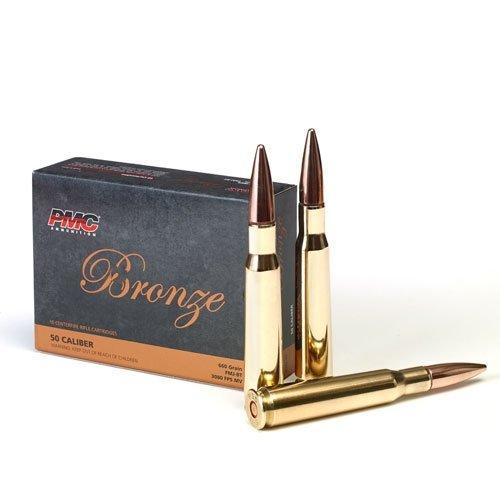
.50 BMG Ammunition (4)

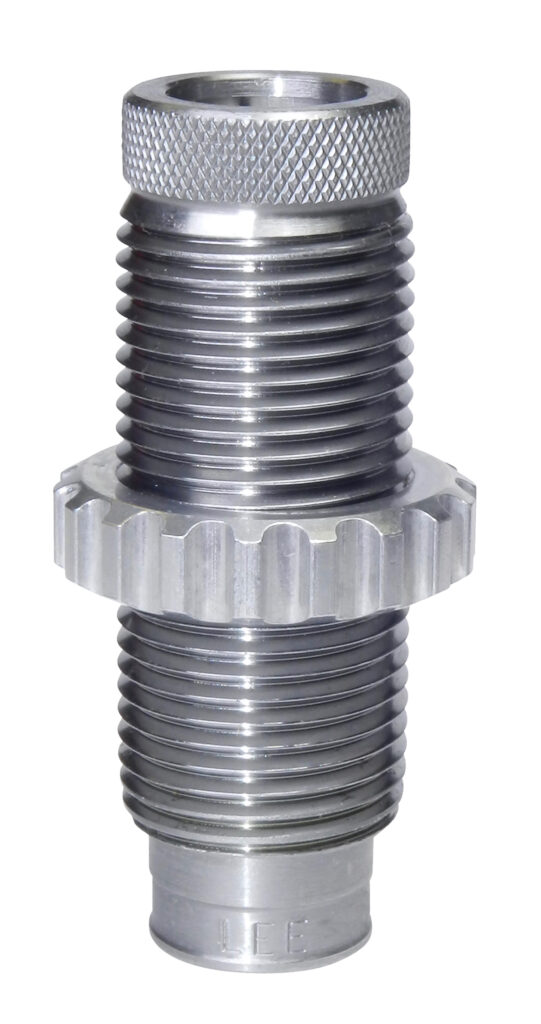
.50 BMG Reloading (2)
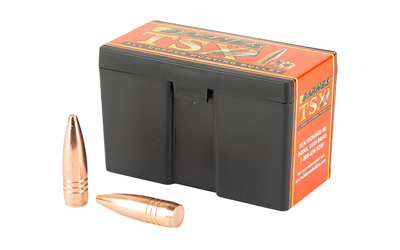
- Reloading Bullets Add to cartOriginal price was: $40.00.$38.00Current price is: $38.00. SALEIn Stock