Shotgun
12 Gauge
The do-everything gauge
The 12 gauge is the most versatile firearm platform on earth. That’s not hyperbole — it’s a claim that’s been tested thoroughly across home defense, waterfowl hunting, turkey, deer, upland birds, sporting clays, competitive shooting, law enforcement, military applications, and any other context you can imagine pointing a shotgun at something. The bore diameter is defined by 12 lead balls of that diameter equaling one pound, making it the widest bore among the commonly used gauges. That extra bore means more shot, more slug, more payload, more options. The 12 gauge doesn’t specialize. It doesn’t need to.
The 12 gauge emerged from the percussion muzzleloading era of the 19th century and transitioned into the modern centerfire shotshell format that American shooters know today. By the early 20th century it was already the dominant gauge in American and European sporting and hunting markets. The Winchester Model 12, introduced in 1912, established the 12 gauge pump as the American working shotgun standard. The Remington 870, introduced in 1950, cemented that position and became the best-selling shotgun in American history. Military and law enforcement adoption through the 20th century broadened the 12 gauge’s applications further. Three-inch magnum chambers became standard by mid-century, and 3.5-inch chambers extended its payload capacity even further for the waterfowlers who needed it. The 12 gauge has been the answer to every shotgunning question for over a century. It has not been replaced. It will not be replaced.
The range of available 12 gauge loads is staggering. Target and light field loads run 7/8 to 1-1/8 ounces of shot at 1,150 to 1,200 feet per second. Standard hunting loads from 1-1/4 to 1-5/8 ounces at higher velocities. Three-inch magnum loads pushing 1-7/8 ounces of steel shot for waterfowl. Slugs from 7/8 ounce rifled Foster slugs to 1-ounce saboted slugs for rifled slug barrels capable of 100-yard accuracy. Buckshot in every configuration from No. 4 buck to 000. Less-lethal loads. Specialty rounds. The 12 gauge is less a single cartridge than a platform that accommodates an extraordinary range of ammunition types and purposes. Recoil ranges from barely noticeable in light target loads to genuinely substantial in 3.5-inch goose loads. The gun handles the recoil as much as the gauge does — weight and gas-operated actions earn their place here.
The complete list would take longer than you want to read. Home defense, where 00 buckshot through a short-barreled pump shotgun is one of the most historically proven defensive tools available. Waterfowl at range, where steel shot payloads in 3 and 3.5-inch loads extend reach and maintain pattern density. Turkey, where dense choke tubes and heavy loads at 40 to 60 yards define the modern pursuit. Deer, with slugs in slug-legal states or buckshot inside responsible distances. Upland birds with 2.75-inch loads and open chokes. Sporting clays, trap, and skeet at every competitive level. The 12 gauge does all of these things with appropriate ammunition and choke selection. No other gauge can make that claim honestly.
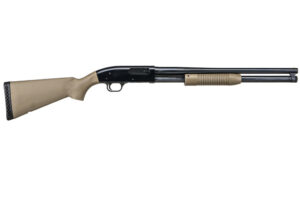
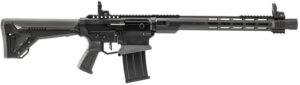
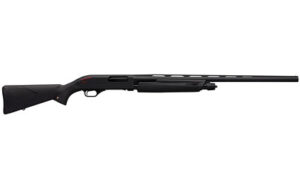
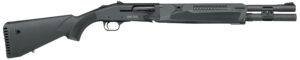
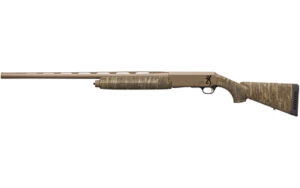
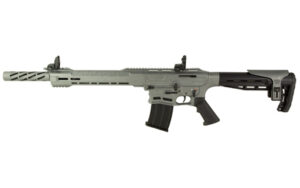
Every major manufacturer makes 12 gauge shotguns. Every one of them. The Remington 870 and Mossberg 500 are the affordable standards against which every other pump is measured. The Beretta A400 and Browning Maxus define the modern gas-operated semi-auto. The Benelli M2 and Super Black Eagle are the benchmark inertia-operated alternatives. Over-under options from Browning, Beretta, Perazzi, Krieghoff, and dozens of others serve the clay target and upland market. Tactical configurations from Mossberg, Remington, Winchester, and others serve law enforcement and home defense applications. The number of distinct 12 gauge shotgun models available on the American market at any moment is genuinely uncountable. If you want a 12 gauge for any purpose, the gun exists. Multiple versions of it exist. Your main challenge is choosing.
Against 20 gauge: more payload, more recoil, heavier guns, more ammunition options. At close range the difference in effectiveness is modest. At range it opens up. Against 16 gauge: the 12 wins on payload, ammunition availability, and firearm selection across the board. Against 28 gauge and .410: genuinely different tools for different applications. Against 10 gauge: the 12 magnum loads have largely closed the gap, and the 10 gauge platform is significantly heavier to carry. The 12 gauge is not always the right answer — the 20 gauge is a better choice for a youth shooter, and the 28 gauge is more pleasant for close upland work — but the 12 gauge is the right answer more often than any other gauge. That’s why it’s the standard.
Arms East carries the full range of 12 gauge ammunition and a strong selection of 12 gauge firearms because the most popular gauge deserves serious inventory and serious staff. Whatever you’re trying to do with a 12 gauge — load out a home defense gun, prepare for waterfowl season, find the right target load for your clay course — the people here can help you do it right. The 12 gauge world is big enough that knowing what you need matters. Arms East is the place to figure that out.
12 Gauge Rifles (1)

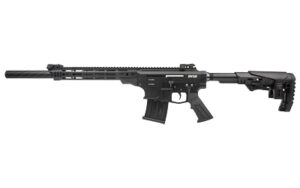
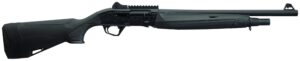
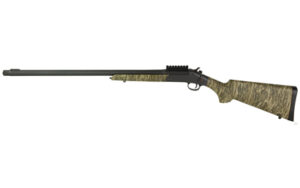
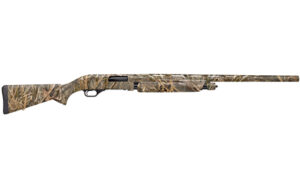
12 Gauge Shotguns (681)





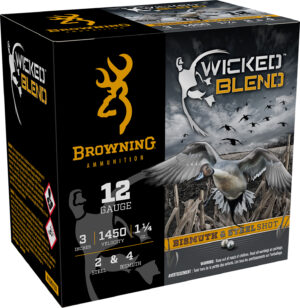
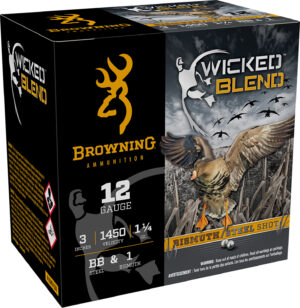
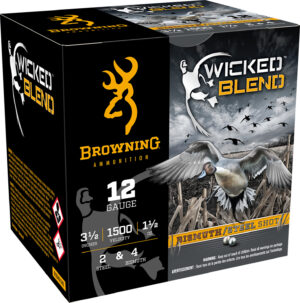
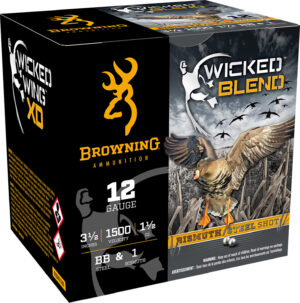
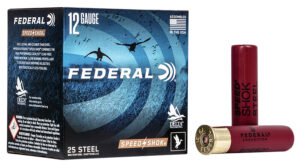
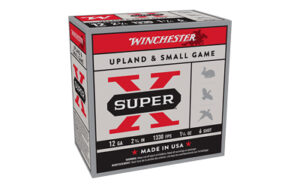
12 Gauge Ammunition (839)

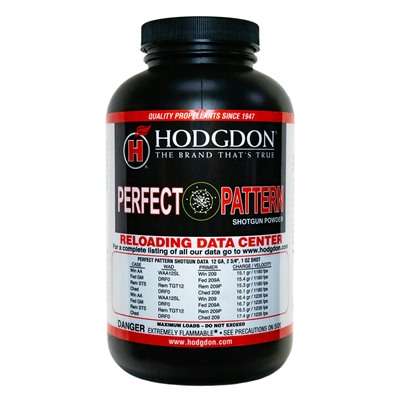
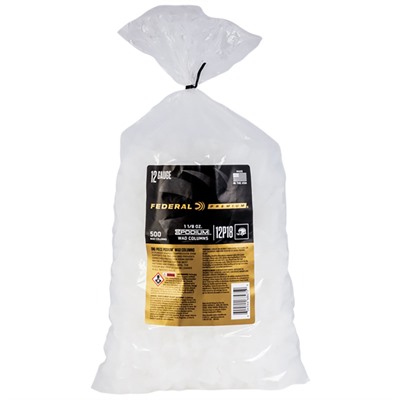
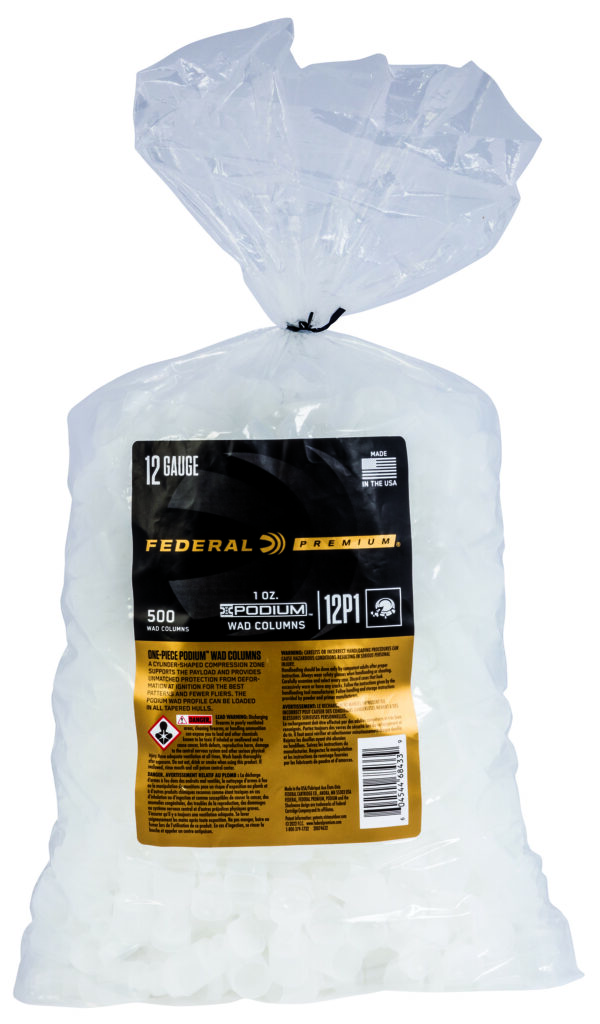
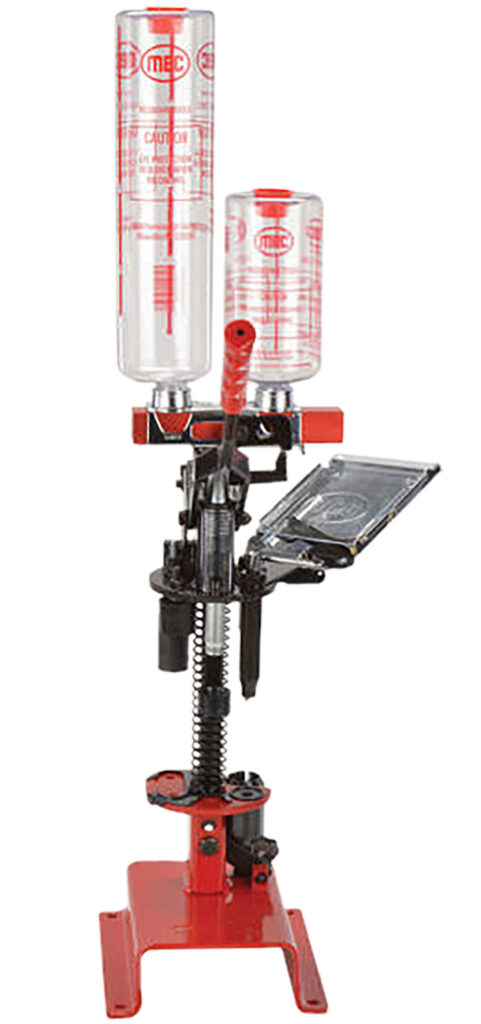
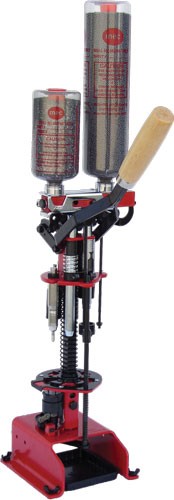
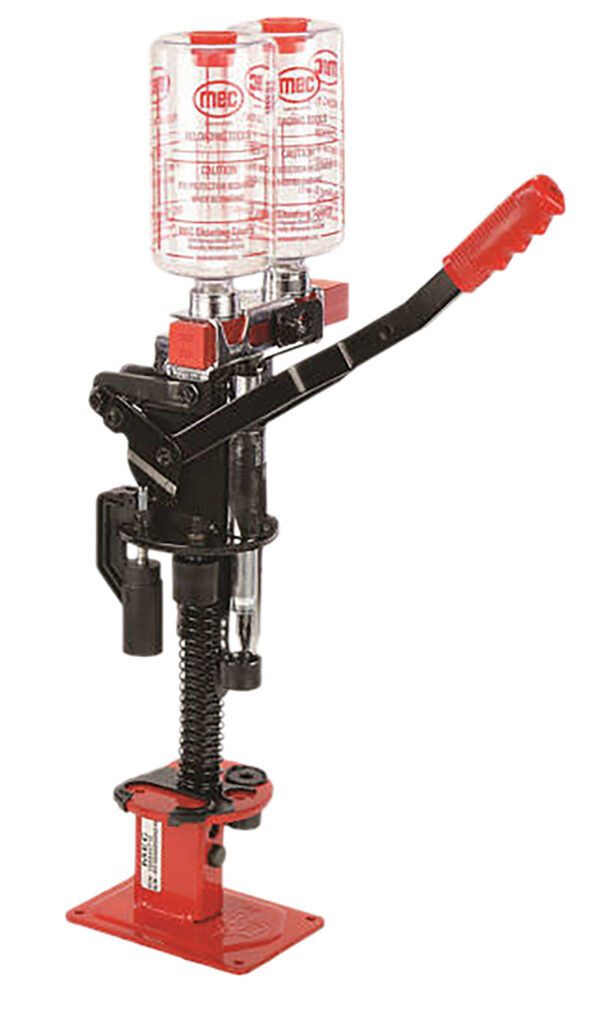
12 Gauge Reloading (13)
- Reloading Powder Add to cartOriginal price was: $357.00.$312.00Current price is: $312.00. SALEIn Stock




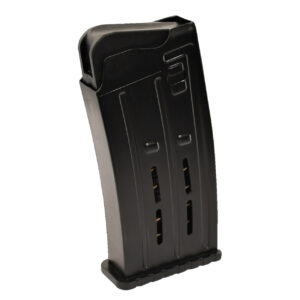
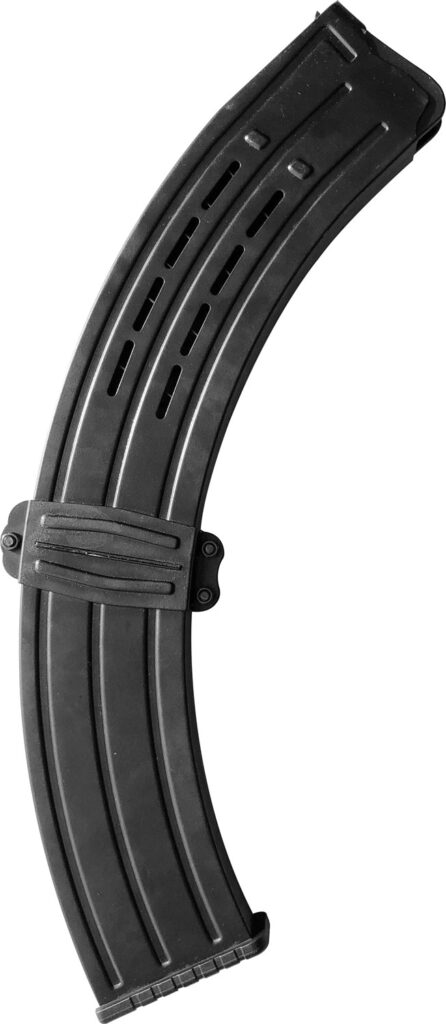
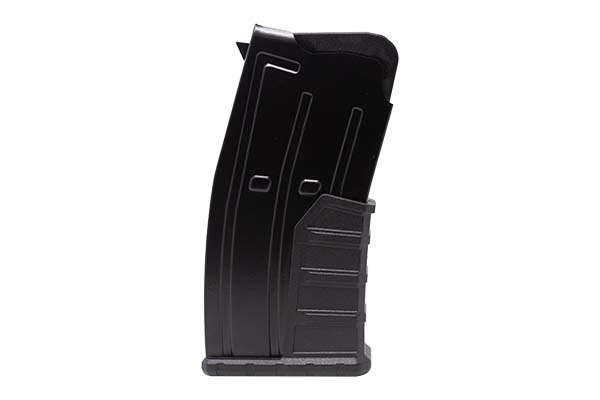
12 Gauge Magazines (51)
- Shotgun Magazines Add to cartOriginal price was: $116.00.$107.00Current price is: $107.00. SALELow Stock
- Shotgun Magazines Add to cartOriginal price was: $73.00.$68.95Current price is: $68.95. SALELow Stock
- Shotgun Magazines Add to cartOriginal price was: $25.00.$22.00Current price is: $22.00. SALEIn Stock

12 Gauge Optics & Sights (1)
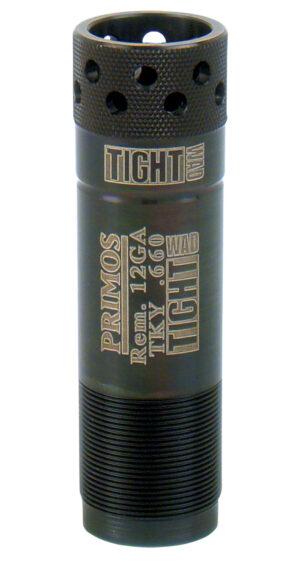
12 Gauge Parts & Accessories (396)
- Other Gun Accessories & Parts Add to cartOriginal price was: $43.00.$35.00Current price is: $35.00. SALEIn Stock
- Other Gun Accessories & Parts Add to cartOriginal price was: $30.00.$26.00Current price is: $26.00. SALEIn Stock