Shotgun
16 Gauge
The forgotten gauge, making a comeback
The 16 gauge is defined by 16 lead balls of the bore diameter equaling one pound — sitting neatly between the 12 and 20 gauge in bore size, payload capacity, and just about every other metric that matters in a shotgun. For most of the late 20th century, that middle position was considered a liability. The market consolidated around 12 and 20, and the 16 got squeezed out. Now, with a resurgence driven by upland hunters and vintage gun enthusiasts who actually know what they’re doing, the 16 is making a legitimate comeback. It was never bad. It was just abandoned too soon.
The 16 gauge was once one of the most popular shotgun gauges in America — in the early 20th century it was a genuine mainstream choice, particularly among upland hunters who appreciated its balance of payload and weight. American manufacturers like Winchester, Remington, and Ithaca offered their best guns in 16 gauge alongside 12, and serious bird hunters often preferred it for all-day field use. The decline came in the mid-20th century as the 12 gauge magnum loads emerged and promised everything the 16 could do plus more, and as the 20 gauge improved enough to compete from the other direction. By the 1980s the 16 was nearly a museum piece in American gun shops. European manufacturers, particularly in Germany and France where the 16 remained popular, kept the flame alive. Now American hunters and collectors are rediscovering what Europeans never forgot.
Standard 16 gauge shells hold 1 to 1-1/8 ounces of shot at velocities around 1,200 to 1,300 feet per second — a payload that sits almost exactly between 12 and 20 gauge standard loads. Recoil is moderate and genuinely pleasant in a well-balanced 16 gauge gun, which is part of the appeal. The guns made for the 16 gauge — particularly the vintage American doubles and the better European pieces — tend to be beautifully balanced, lighter than 12 gauge guns with comparable barrels, and faster to the shoulder. That handling quality is the 16 gauge’s strongest argument in the modern era. The payload numbers are good. The way a good 16 gauge gun handles is the reason people fall for it.
Upland hunting is the natural home for the 16 gauge revival: pheasant, quail, grouse, and other birds in the 30-to-40-yard range where the payload is fully adequate and the gun’s handling qualities are most appreciated. Vintage gun collecting and shooting is a growing application as American shooters rediscover quality pre-war and mid-century American doubles in 16 gauge that were built to standards rarely met in modern budget shotguns. Sporting clays with a vintage or premium 16 gauge double is a specific and satisfying experience. The 16 gauge doesn’t do everything the 12 does — nobody is running a 16 gauge for waterfowl or turkey at range — but for the bird hunting applications where its payload is appropriate, it’s a pleasure to use.
This is where modern 16 gauge shooters have to manage expectations: the new production firearm selection is thinner than 12 or 20 gauge. Browning offers the Citori in 16 gauge, which is a significant endorsement. Beretta has made 16 gauge offerings. CZ has offered the Bobwhite in 16 gauge. Ithaca’s 37 Featherlight has been produced in 16 gauge in limited runs. The vintage market is rich — pre-war and mid-century Winchester Model 12s, Remington Model 11s, Browning Auto-5s, and classic American doubles in 16 gauge are available through the used and collector market. For the 16 gauge shooter, that used market is often where the best guns are anyway.
Against 12 gauge, the 16 gives up some payload and shell selection in exchange for lighter guns and more pleasant all-day carry. For hunting applications where maximum payload matters — waterfowl, turkey — the 12 wins clearly. For upland hunting, the difference narrows significantly. Against 20 gauge, the 16 has a slight payload advantage and traditionally came in better-balanced guns at similar weights. The 20 has vastly superior ammunition availability and new production firearm selection. The 16 has character and history. Those are real things, and they matter to the people who care about them. Against 28 gauge, the 16 is the more capable hunting cartridge with a heavier payload, but the 28 has developed a stronger modern following. The 16 gauge shooter accepts that their gauge requires more searching and rewards the effort accordingly.
Arms East carries 16 gauge shells and can source 16 gauge firearms for the shooter who knows what they’re looking for. If you’ve inherited a family gun in 16 gauge and want to actually shoot it, or if you’ve been reading about the revival and want to understand what the fuss is about, come in and talk to people who appreciate the gauge for what it is. Finding a shop that stocks 16 gauge without looking at you sideways is itself a small victory. Consider this your victory.
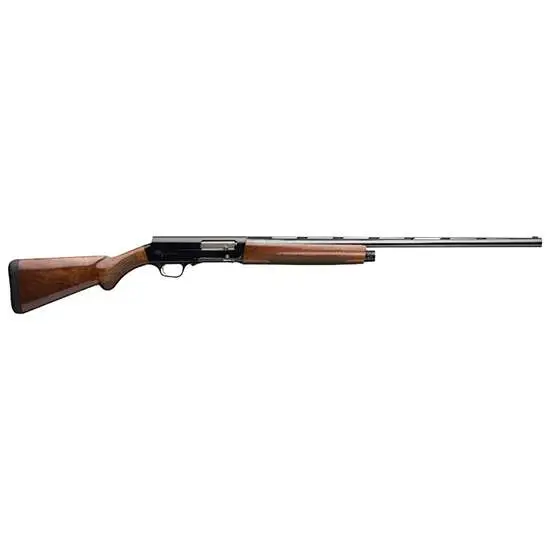
16 Gauge Shotguns (28)
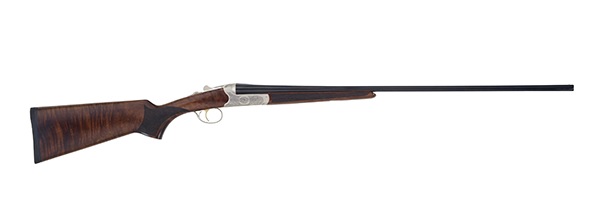
- Semi Auto Shotguns Add to cartOriginal price was: $1,024.00.$913.00Current price is: $913.00. SALELow Stock







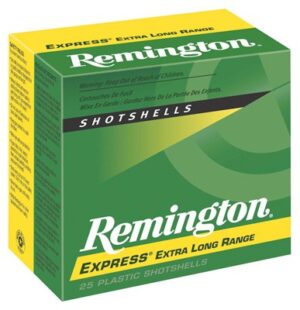
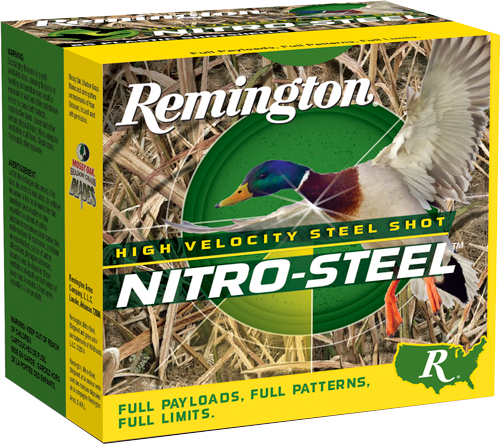
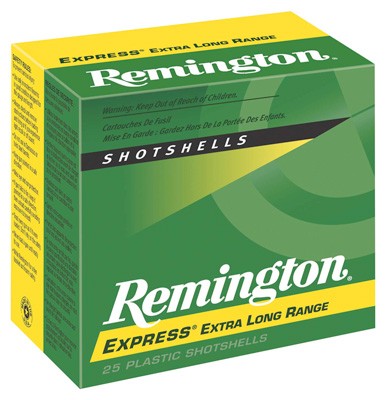
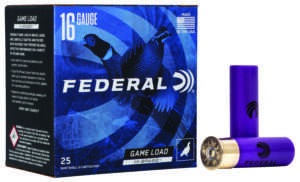
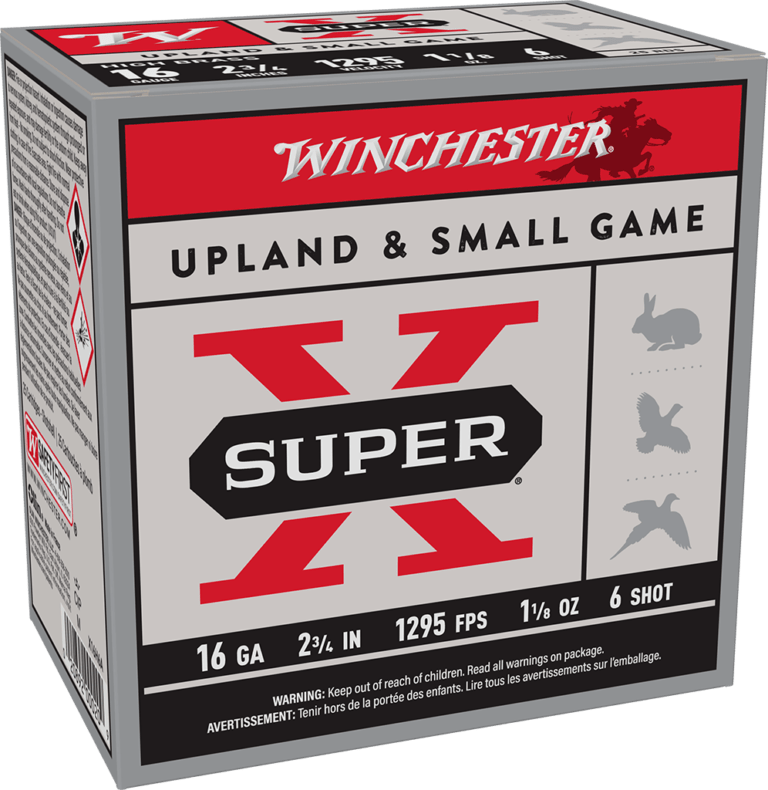
16 Gauge Ammunition (32)



16 Gauge Reloading (3)
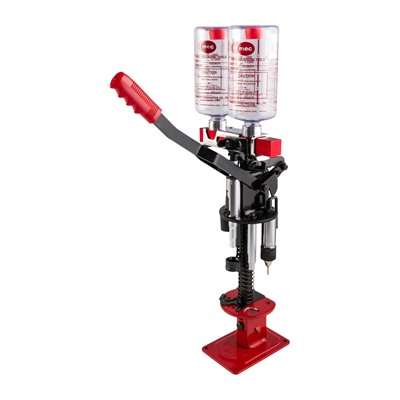
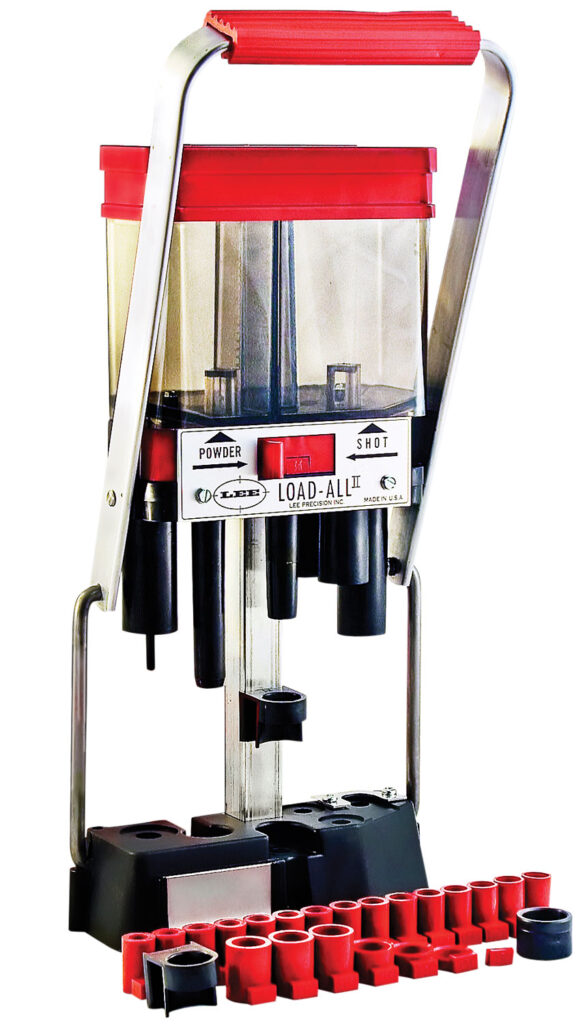
- Reloading Presses & Kits Add to cartOriginal price was: $76.00.$72.00Current price is: $72.00. SALELow Stock