Shotgun
20 Gauge
Does everything the 12 does, lighter
The 20 gauge is defined by 20 lead balls of the bore diameter equaling one pound — making it a noticeably smaller bore than the 12 gauge but a significantly more capable one than most people give it credit for. It’s the second most popular shotgun gauge in America for good reason: it does the job, it’s comfortable to shoot, and the guns chambered for it are almost universally lighter and better handling than their 12 gauge counterparts. A lot of shooters treat the 20 as a stepping stone to the 12. A lot of experienced shooters decided the stepping stone was fine and stopped stepping.
The 20 gauge has been a standard commercial offering since the late 19th century, developed as the American and European gun trades explored the practical range of bore sizes. It established itself as the go-to upland and field gauge for shooters who wanted meaningful capability without the recoil and weight of the 12 gauge. Through the 20th century, every major shotgun manufacturer offered their flagship models in 20 gauge alongside the 12 — the Remington 870, the Mossberg 500, the Browning Auto-5, the Beretta A400 all exist in 20 gauge form. Youth models in 20 gauge introduced generations of new shooters to the sport. Many of those new shooters grew up, could have switched to 12, and didn’t bother. The 20 gauge earned that loyalty honestly.
Standard 20 gauge shells hold 7/8 ounce of shot in 2.75-inch loads and up to 1 ounce in 3-inch magnum loads, at velocities typically running 1,200 to 1,330 feet per second. That’s a meaningful payload delivered with noticeably less recoil than equivalent 12 gauge loads — typically around 60 percent of the felt recoil. The guns themselves are lighter, which reduces cumulative fatigue on long shooting days. For birds, clays, and most hunting applications inside 40 yards, the 20 gauge is genuinely adequate. With modern high-velocity loads and quality chokes, capable shooters regularly push that effective range further. The 20 gauge works best when you respect its limits, which are less restrictive than most people assume.
Upland hunting across the full range of North American game birds — quail, pheasant, grouse, dove — is the 20 gauge’s strongest suit. Sporting clays and skeet, where the lighter gun and shells make a long session genuinely less punishing. Youth shooting programs, where the reduced recoil enables proper technique development without flinching. Home defense in a pinch — the 20 gauge loaded with buckshot or a slug is not a laughing matter — though the 12 is the more common choice. Deer hunting with slugs in slug-legal states: the 20 gauge slug is capable on whitetail at appropriate distances. What the 20 gauge doesn’t do well is waterfowl at range and turkey at distance, where the payload limitations become real constraints. Know your application and the 20 gauge will rarely let you down.
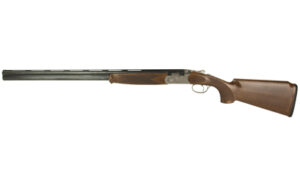
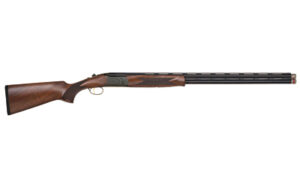
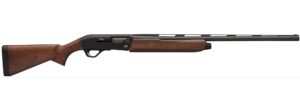
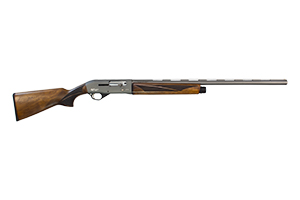
Nearly every major shotgun that exists in 12 gauge exists in 20 gauge. The Remington 870, Mossberg 500, Browning BPS, Benelli M2, Beretta A400, Winchester SXP — all offered in 20 gauge versions that are typically lighter and better-handling than their 12-bore counterparts. Over-under and side-by-side options from Browning, Beretta, CZ, Mossberg, and dozens of others give the 20 gauge shooter the full range of action types to choose from. Youth models in 20 gauge are widely available from virtually every manufacturer. The platform selection in 20 gauge is second only to 12 gauge and is comprehensive enough that you can build any kind of shotgunning program around it.
Against 12 gauge, the 20 gives up payload and pattern density at range in exchange for lighter guns, lighter shells, and meaningfully less recoil. For most hunting and sporting applications inside 40 yards, the practical difference is smaller than it appears on a spec sheet. Against 28 gauge, the 20 has a payload advantage and a much larger selection of firearms and ammunition at more accessible prices. Against 16 gauge — the gauge the 20 basically displaced — the two are very close in payload and performance, with the 20 winning simply on the basis of market availability and ammunition access. Against .410, the comparison is no contest in terms of capability; the .410 wins only on recoil and novelty.
Arms East has 20 gauge covered from shells to full shotgun setups, and the staff has genuine opinions about the gauge — favorable ones. If you’re buying a first shotgun for a younger shooter, upgrading from a youth model, or simply shopping for the gauge you’ve been shooting for years, this is the right place to have that conversation. The 20 gauge deserves a shop that takes it seriously as a first-class option, not a consolation prize. Come in and we’ll prove the point.
20 Gauge Handguns (1)

20 Gauge Rifles (1)

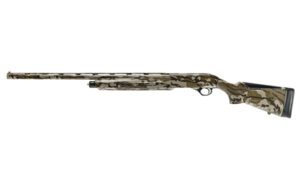
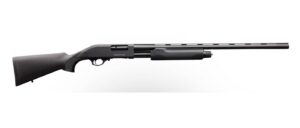
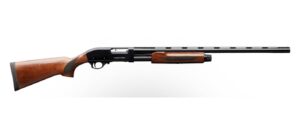
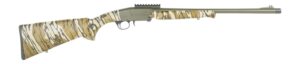
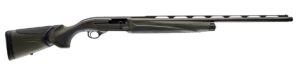
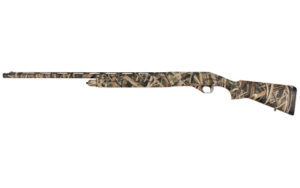
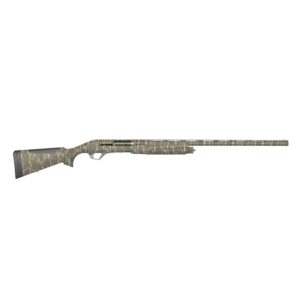
20 Gauge Shotguns (243)


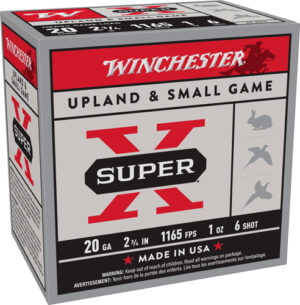
20 Gauge Ammunition (263)

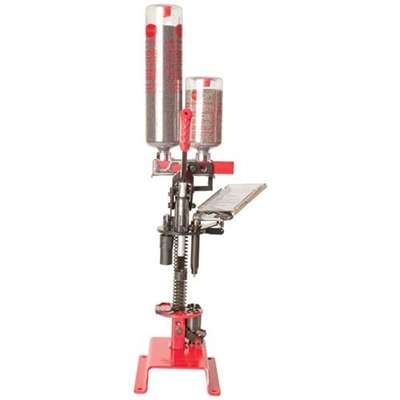
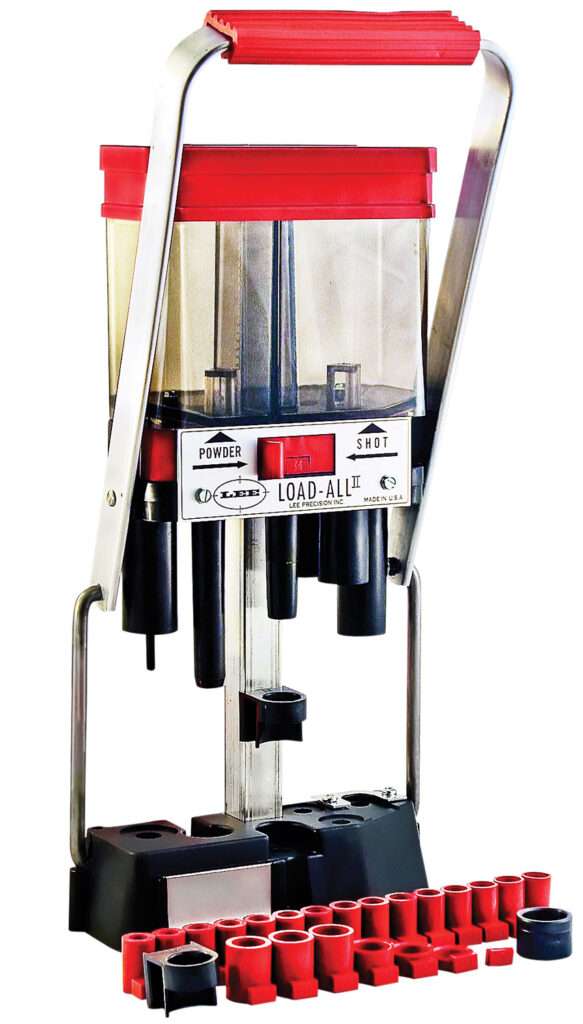
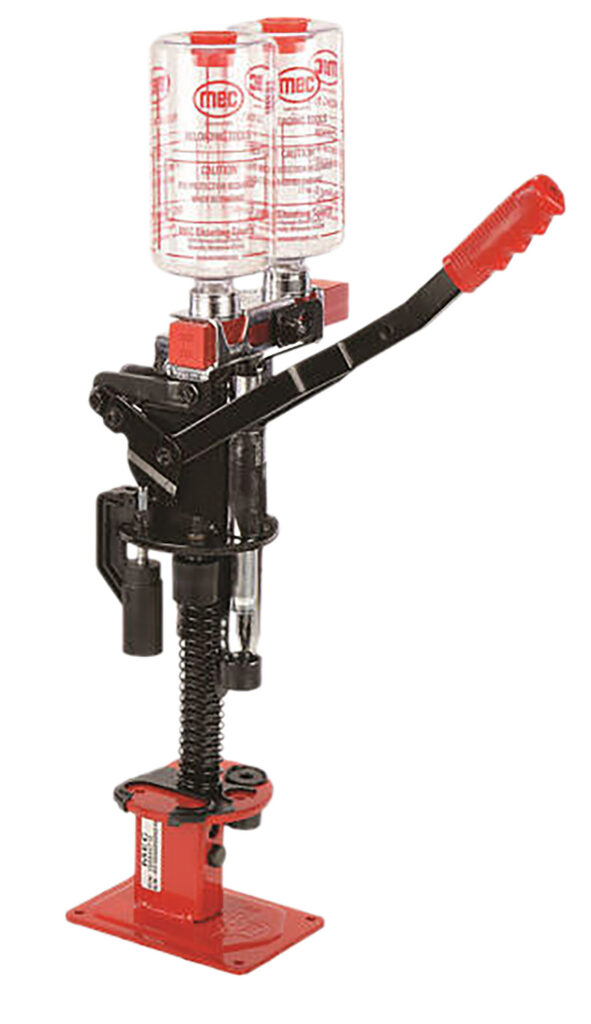
20 Gauge Reloading (4)
20 Gauge Magazines (7)

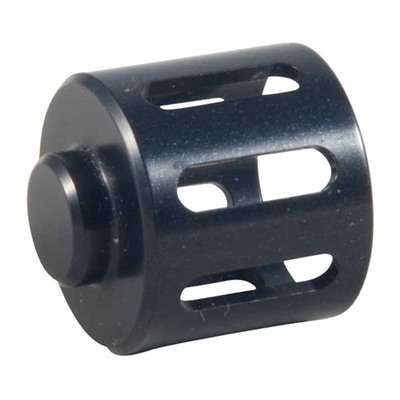

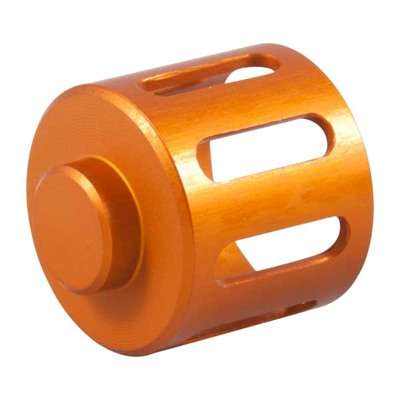


20 Gauge Optics & Sights (1)

20 Gauge Parts & Accessories (108)
- Other Gun Accessories & Parts Add to cartOriginal price was: $42.00.$36.00Current price is: $36.00. SALELow Stock
- Other Gun Accessories & Parts Add to cartOriginal price was: $30.00.$26.00Current price is: $26.00. SALEIn Stock