Precision
.300 PRC
Mile-marker magnum
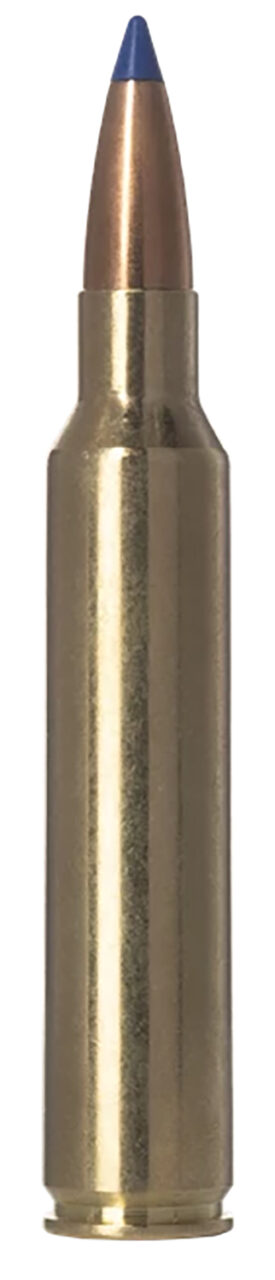
The .300 PRC — Precision Rifle Cartridge — is Hornady’s answer to a question the long-range shooting community had been asking for years: what if we designed a .30-caliber magnum cartridge today, from scratch, with modern long, high-BC bullets in mind instead of retrofitting old cases? The result is a cartridge that runs heavy, sleek .30-caliber projectiles with exceptional efficiency and reaches past a mile in capable hands.
It’s built on a 375 Ruger parent case, which gives it a non-belted magnum design — more consistent headspacing, better brass life, and better feeding than the old belted magnums it competes with. It fits in a standard magnum-length action. It shoots 212 to 250-grain bullets at velocities that make the wind-bucking, gravity-defying ballistic coefficients of modern match projectiles really shine.
Hornady introduced the .300 PRC in 2018. The design team — the same group behind the 6.5 Creedmoor and 6.5 PRC — looked at the existing .30-caliber magnum landscape and saw a gap. The .300 Winchester Magnum is magnificent but was designed in 1963, when the longest production bullets were much shorter than today’s high-BC match and hunting projectiles. Running modern 212 to 250-grain bullets in a .300 Win Mag pushes them deep into the case or requires long overall length that won’t fit standard magazines.
The .300 PRC was dimensioned to seat those long, heavy bullets properly — with the ogive positioned correctly relative to the lands — without compromising powder capacity or magazine length. It’s engineering done for today’s ammunition, not 1963’s. SAAMI approved it in 2018. The U.S. military adopted it for long-range sniper applications with the MK 248 MOD 2 program, which is not a small endorsement.
With Hornady’s 212-grain ELD-X at a muzzle velocity of 2,860 fps, the .300 PRC retains supersonic flight past 1,400 yards at standard conditions. The G7 ballistic coefficient of that bullet is exceptional — the cartridge was engineered to take full advantage of it. Wind drift and drop at extended range are meaningfully reduced compared to a .300 Win Mag shooting the same bullet, because the higher BC bullet is given the velocity to really exploit its aerodynamic advantage.
At 1,000 yards, a 212-grain ELD-X from a .300 PRC still arrives with over 1,500 ft-lbs of energy and has retained sufficient velocity for reliable terminal expansion. That’s hunting performance at a distance most hunters will never actually shoot, but it’s there if the terrain demands it. Recoil is stout — it’s a big magnum — but manageable on a properly weighted rifle with a quality muzzle brake or suppressor.
Long-range hunting is the primary civilian application. Elk, mule deer, sheep, and any game animal where the shot might stretch past 500 yards — the .300 PRC handles it with capability to spare. Mountain hunters who might face cross-canyon shots at unknown distances benefit from the cartridge’s retained energy and reduced sensitivity to wind.
Precision rifle competition at extended ranges is a growing use case. The PRS and similar formats have distances pushing 1,000 to 1,200 yards, and the .300 PRC competes seriously there. Military and government precision shooters have adopted it for extended-range sniper work. It’s a legitimate long-range tool, not a marketing exercise.
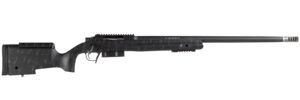
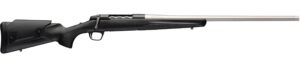
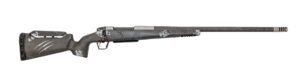
Adoption has been strong. Browning X-Bolt, Bergara B-14, Christensen Arms Mesa and Ridgeline, Ruger Precision Rifle, Gunwerks various models, Accuracy International, and several custom rifle builders all chamber the .300 PRC. Hornady’s own Precision Hunter loads are factory-optimized for it. The cartridge has enough industry buy-in that you won’t struggle to find a rifle.
It requires a magnum-length action and a barrel at least 24 inches long to reach advertised velocities — 26 inches is better. Plan on a heavier rifle if you want to tame recoil. It’s not a lightweight carry gun. It’s a purpose-built precision tool, and the rifles that chamber it tend to be built accordingly.
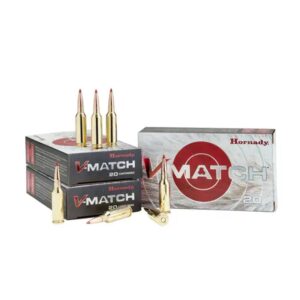
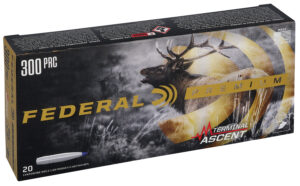
The .300 PRC is not a “grab it off the shelf at Walmart” cartridge — that’s not what it’s for. Hornady is the primary manufacturer and loads it excellently. Federal, Nosler, and a few boutique makers also offer factory loads. Selection is growing as the cartridge matures. Online availability is solid; local shops are hit or miss depending on region.
Factory ammunition runs $70 to $120 per box of 20 for premium hunting and match loads. That’s serious money, but serious long-range shooting tends to involve serious ammunition costs. Reloading is essentially mandatory for anyone doing high-volume practice — brass is readily available and Hornady publishes excellent load data. The per-round savings from reloading are significant at this price point.
The .300 PRC is one of those cartridges where having a knowledgeable shop matters. You don’t stumble into this one — you choose it deliberately for a specific purpose, and Arms East can help you figure out if it’s the right choice for what you’re trying to accomplish. We carry Hornady Precision Hunter and Match ammunition and can order in additional loads. Rifles in .300 PRC are available — come talk to us about what platform fits your application.
If you’re serious about reaching out past 800 yards on game or steel, this conversation is worth having in person. Find us at the store or reach out online. We’ll be straight with you about whether the .300 PRC is what you need or whether something else gets you there for less money.
.300 PRC Rifles (101)









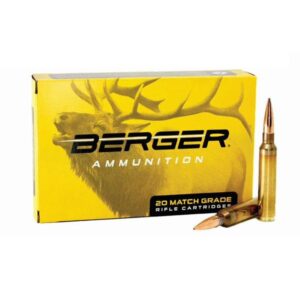
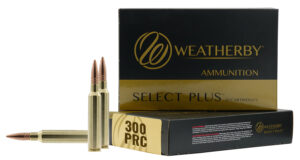
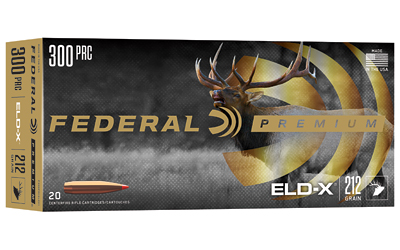
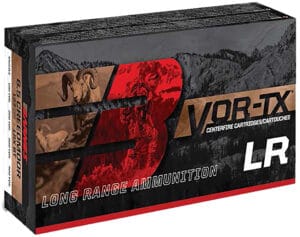
.300 PRC Ammunition (16)
- Rifle Ammunition Add to cartOriginal price was: $90.00.$84.00Current price is: $84.00. SALELow Stock


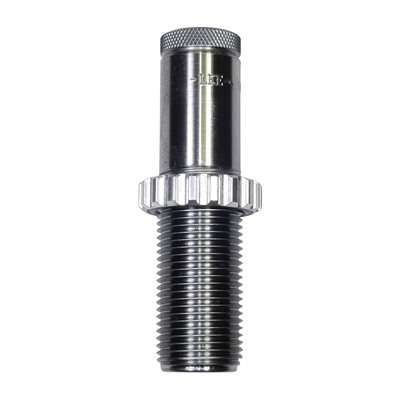
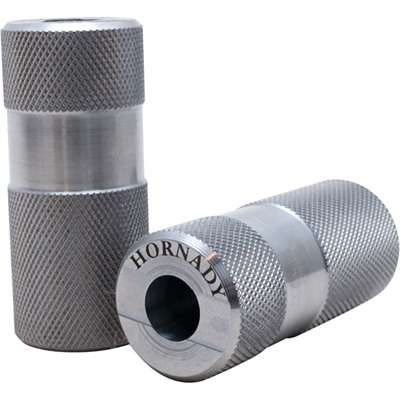
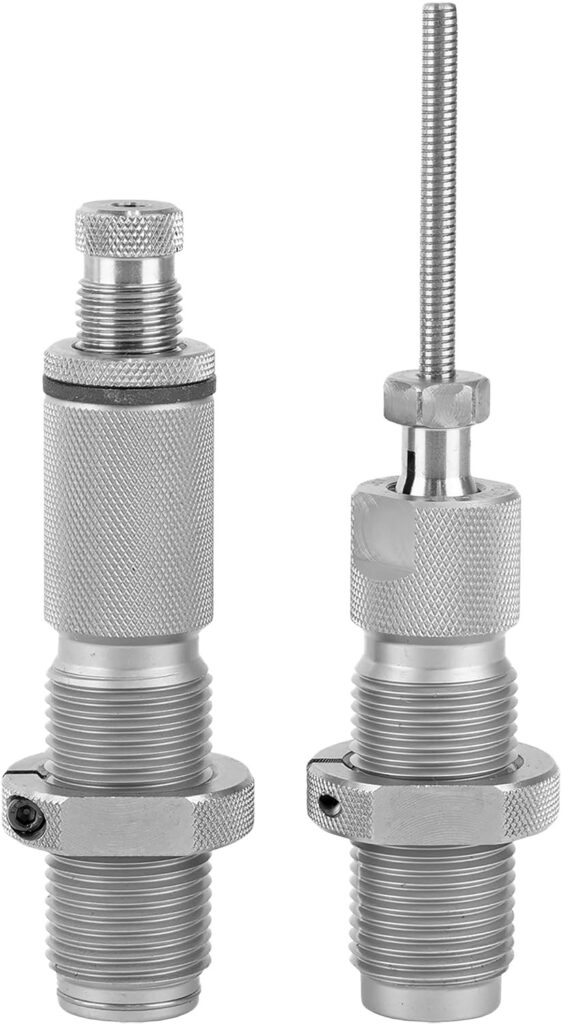
.300 PRC Reloading (5)


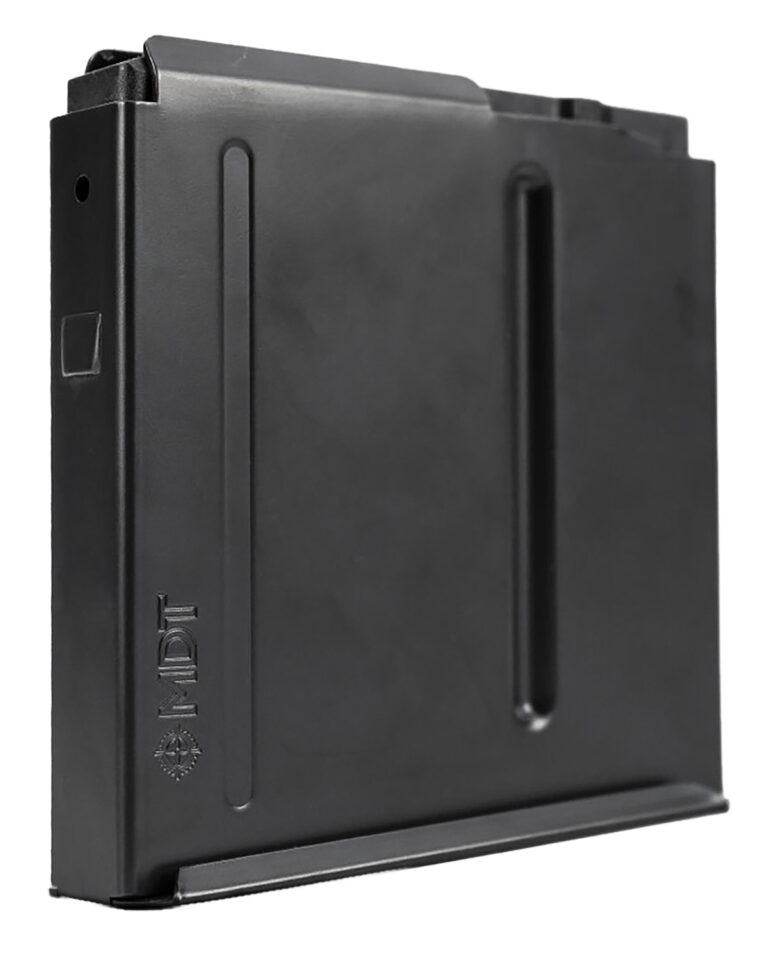
.300 PRC Magazines (4)
- Rifle Magazines Add to cartOriginal price was: $113.00.$103.00Current price is: $103.00. SALELow Stock