Handgun
.357 Magnum
Dirty Harry’s understudy
The .357 Magnum is one of the greatest all-around revolver cartridges ever developed. It hits hard, shoots flat, and feeds .38 Special for practice — which means you get a heavy-hitting defensive and hunting round in the same gun you can afford to train with. The performance gap between .357 Magnum and .38 Special is not subtle. This is a round that earns its reputation every time someone actually shoots it.
Elmer Keith, Phillip Sharpe, and D.B. Wesson developed the .357 Magnum in 1934, working with Smith & Wesson and Winchester. The goal was a .38 Special loaded to higher pressures for better performance — and they had to lengthen the case slightly so that the hot new round couldn’t be accidentally chambered in older revolvers not built to handle it. Smith & Wesson introduced the first .357 Magnum revolver — later named the Model 27 — in 1935. J. Edgar Hoover received serial number one. The FBI adopted it, law enforcement across the country followed, and the .357 Magnum became the gold standard for revolver stopping power for decades.
A 125-grain .357 Magnum hollow point from a 4-inch barrel reaches approximately 1,450 feet per second and delivers around 583 foot-pounds of energy. That is significantly more than .38 Special. Heavier 158-grain loads run around 1,235 fps and 535 ft-lbs, which is what most hunters and serious defensive shooters run. From longer rifle or carbine barrels, .357 Magnum velocities climb even higher, making it a legitimate deer-hunting cartridge at modest ranges. One cartridge, many uses.
Self-defense, hunting, and target shooting. The .357 Magnum is equally at home in a 2-inch carry revolver and an 8-inch hunting revolver, which is a remarkable range of utility. It’s a proven deer cartridge at ranges under 100 yards. It’s an excellent predator defense round for hikers and hunters in bear country — not ideal against large bears, but better than nothing and highly effective against mountain lions, feral hogs, and coyotes. And it’s just a genuinely satisfying round to shoot from a full-sized revolver.
Pros: serious stopping power, versatility, the ability to use .38 Special ammunition in the same gun, and a flat enough trajectory for hunting use at reasonable distances. Cons: significant recoil and muzzle blast, especially in lightweight revolvers. Full-house .357 Magnum loads in a snub-nose are genuinely unpleasant to shoot — loud, snappy, and hard on your hands. Most experienced shooters run .38 Special +P for practice and save the Magnum loads for when they matter. The other con is purely practical: revolvers hold fewer rounds than semi-automatics. Six shots is still six shots.
The .357 Magnum held the title of most powerful production handgun cartridge for decades — right up until Elmer Keith helped develop the .44 Magnum in 1955. The 125-grain .357 Magnum hollow point load was, for many years, considered by law enforcement to have the best one-shot stopping record of any handgun cartridge. That statistic has been debated, re-analyzed, and argued about ever since, which is basically the story of every stopping power debate in the history of firearms.
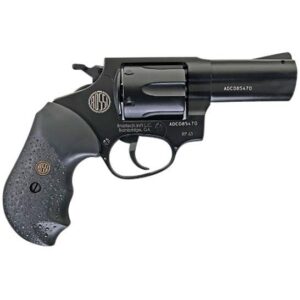
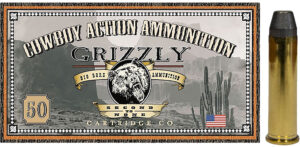
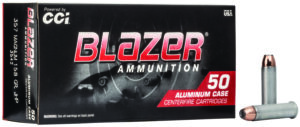
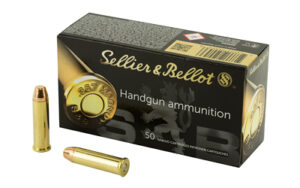
Arms East carries .357 Magnum revolvers from Smith & Wesson, Ruger, and Taurus, plus a full selection of .357 Magnum and .38 Special ammunition. Whether you’re buying a first revolver or adding a serious hunting handgun to the safe, we’ll match you to the right gun. Come in and we’ll let you hold a few — because a revolver’s fit in the hand matters more than most people realize until they’ve handled a few.
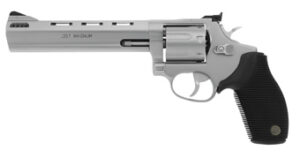
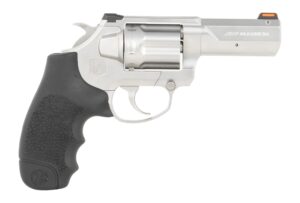
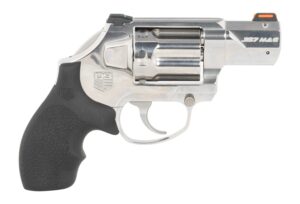
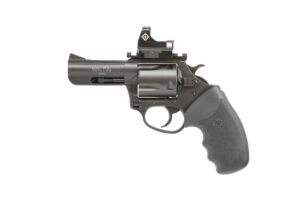
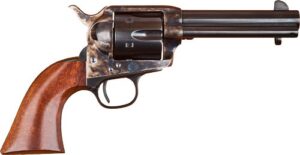
.357 Magnum Handguns (293)
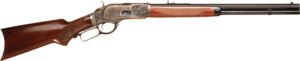
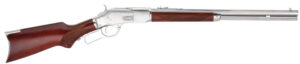
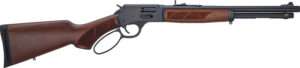
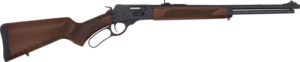
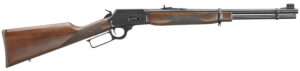
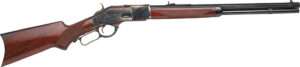
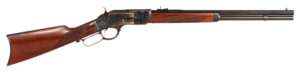
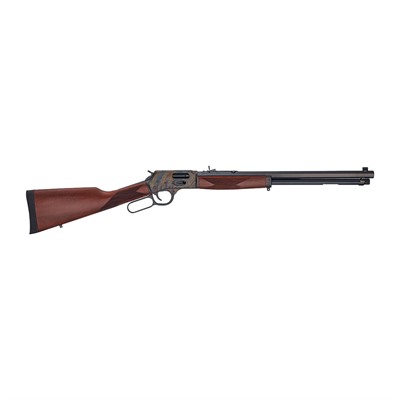
.357 Magnum Rifles (58)
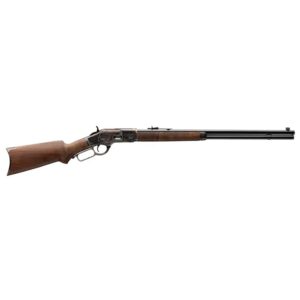
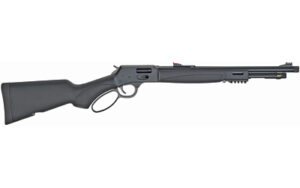
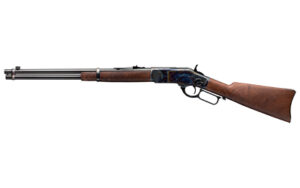
- Lever Action Rifles Add to cartOriginal price was: $771.00.$684.00Current price is: $684.00. SALEIn Stock

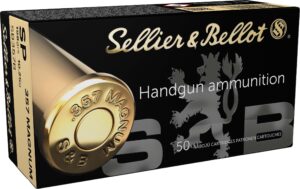
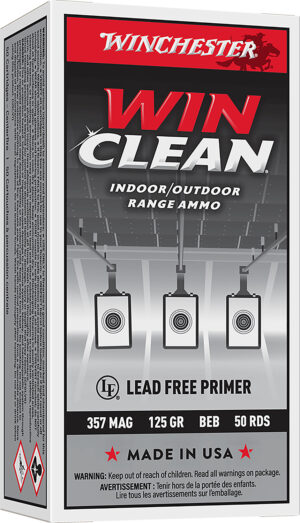
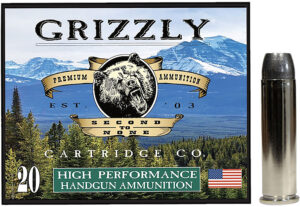
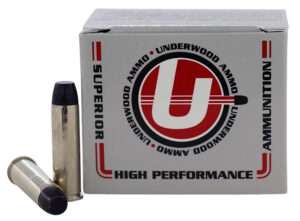
.357 Magnum Ammunition (78)
- Handgun Ammunition Add to cartOriginal price was: $24.00.$22.00Current price is: $22.00. SALEIn Stock


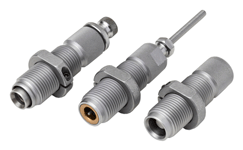
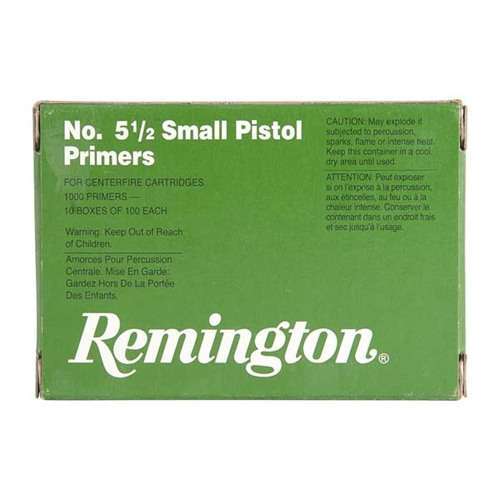
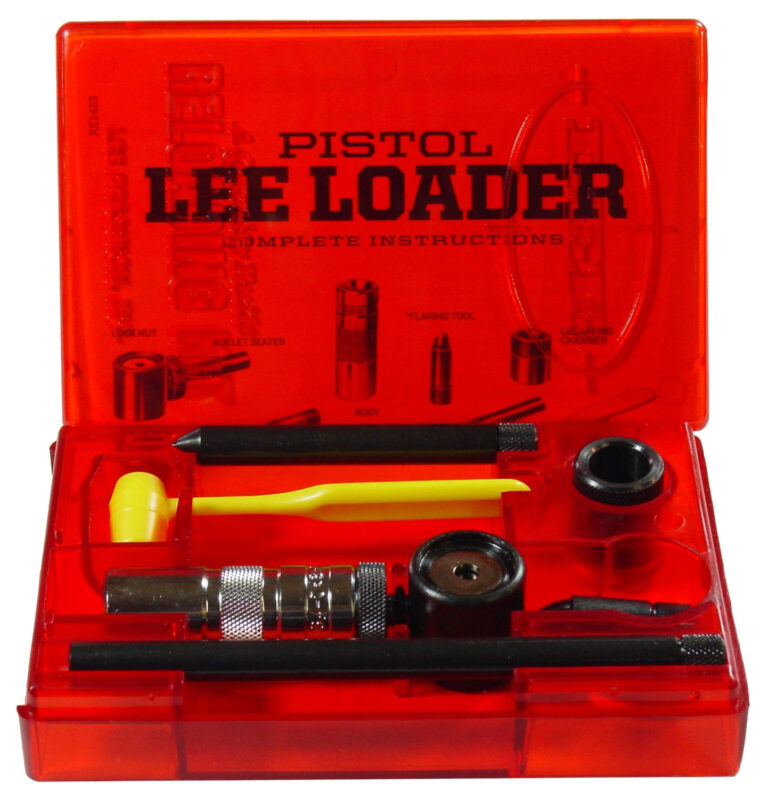
.357 Magnum Reloading (13)


.357 Magnum Magazines (7)



.357 Magnum Parts & Accessories (6)
- Handgun Barrels Add to cartOriginal price was: $155.00.$143.00Current price is: $143.00. SALEIn Stock