Handgun
.38 Special
The revolver classic
The .38 Special has been around since 1898 and it is still one of the most sensible choices for home defense and personal protection you can make. It’s a revolver cartridge, which means simple operation, high reliability, and zero fussiness about ammunition. No magazine to fumble with, no slide to rack under stress, no failure to feed, no failure to eject. Point and shoot. For a lot of people — especially those who don’t spend every weekend at the range — that simplicity is worth more than raw ballistics.
Smith & Wesson introduced the .38 Special in 1898 as an improvement over the .38 Long Colt, which had performed disappointingly in the Philippine-American War. Law enforcement adopted it almost immediately and it became the dominant American police cartridge for the better part of the 20th century. The FBI carried it. Your local sheriff carried it. Your grandfather probably carried it. It wasn’t replaced as the standard police round until the 1990s when semi-automatic pistols took over, and even then it didn’t disappear — it just moved into nightstand drawers and concealed carry holsters where it continues to do exactly what it’s always done.
Standard .38 Special loads push a 158-grain lead round-nose bullet at about 770 feet per second from a 4-inch barrel, generating around 208 foot-pounds of energy. Step up to +P loads — which are higher-pressure rounds that many modern revolvers are rated for — and you can push a 125-grain hollow point to 900-plus fps for significantly better defensive performance. From a short-barreled snub nose you’ll lose some velocity, which is why +P hollow points are strongly recommended for carry guns with barrels under 3 inches.
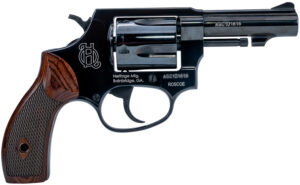
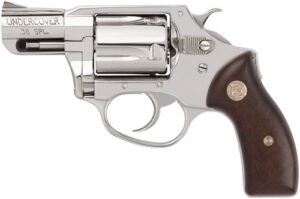
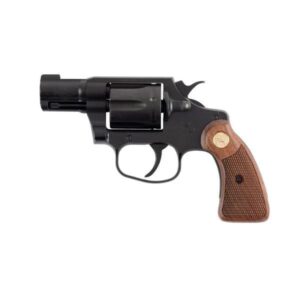
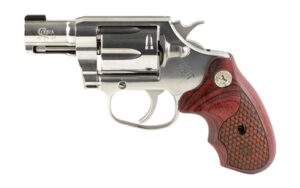
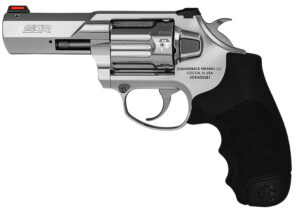
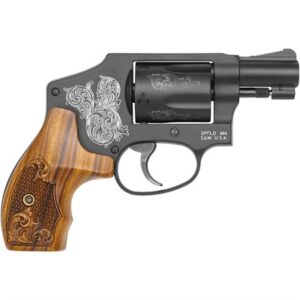
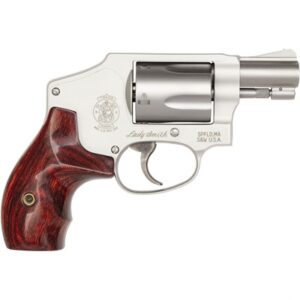
Home defense, concealed carry, target shooting, and competition. The .38 Special is a natural in small-frame revolvers like the Smith & Wesson J-frame or Ruger LCR — the classic “snubbie” that generations of Americans have carried in coat pockets and ankle holsters. It’s also a favorite for target shooters because standard pressure loads are soft, accurate, and inexpensive to shoot. Cowboy Action shooters use it. Bullseye competitors use it. It covers a lot of ground for a cartridge that hasn’t changed much in over a century.
Reliability is the top pro. A double-action revolver in .38 Special will fire every time you pull the trigger, full stop. No limp-wristing malfunctions, no magazine issues, no ammunition sensitivity. The learning curve for safe operation is also shorter than most semi-automatics. Cons: lower capacity than semi-automatic pistols, slower to reload under stress, and the snub nose versions that are most popular for carry aren’t the easiest guns to shoot accurately. The short sight radius and stiff double-action trigger take practice. But the people who put in that practice trust their snubbies completely, and that trust is earned.
The .38 Special is the parent cartridge of the .357 Magnum — the Magnum is simply a lengthened .38 Special case loaded to much higher pressure. This means .357 Magnum revolvers can fire .38 Special ammunition, which makes them extraordinarily versatile. Shoot cheap .38 Specials for practice, carry .357 Magnums when it counts. The .38 Special wadcutter load — a flat-nosed, low-velocity target round — is widely considered one of the most accurate pistol cartridges ever made for bullseye shooting at 50 yards.
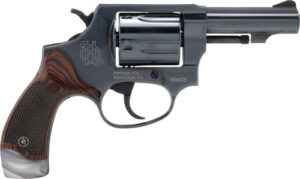
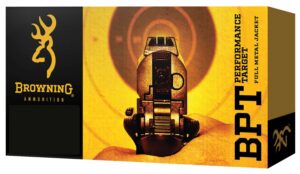
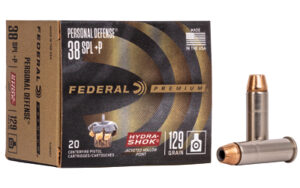
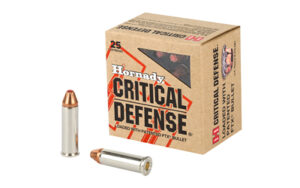
Arms East carries .38 Special revolvers and ammunition for every purpose. We’ve got snub-nose carry guns, 4-inch service revolvers, and everything in between. Our ammo selection covers standard loads, +P defensive rounds, and target wadcutters. If you’re shopping for your first revolver or looking to replace a trusty old nightstand gun, come talk to us. We’ll tell you exactly what we’d choose and exactly why.
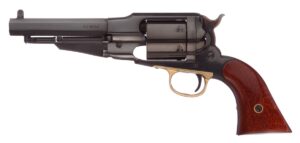
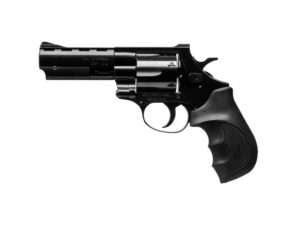
.38 Special Handguns (116)

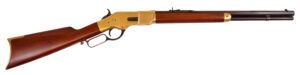
.38 Special Rifles (2)

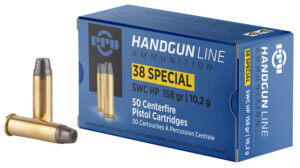
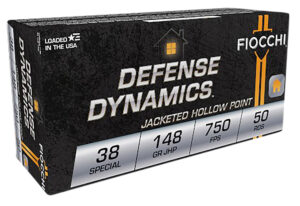
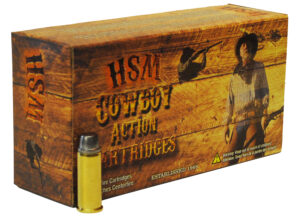
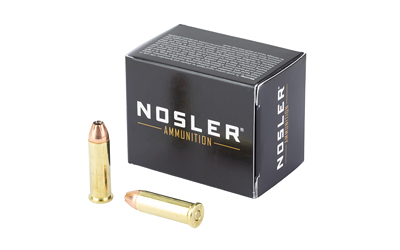
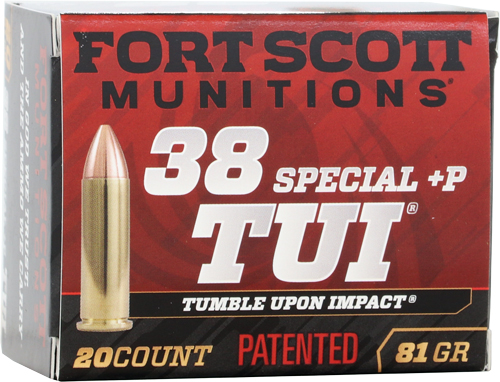
.38 Special Ammunition (75)

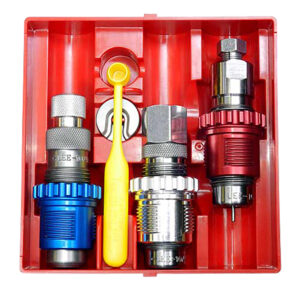
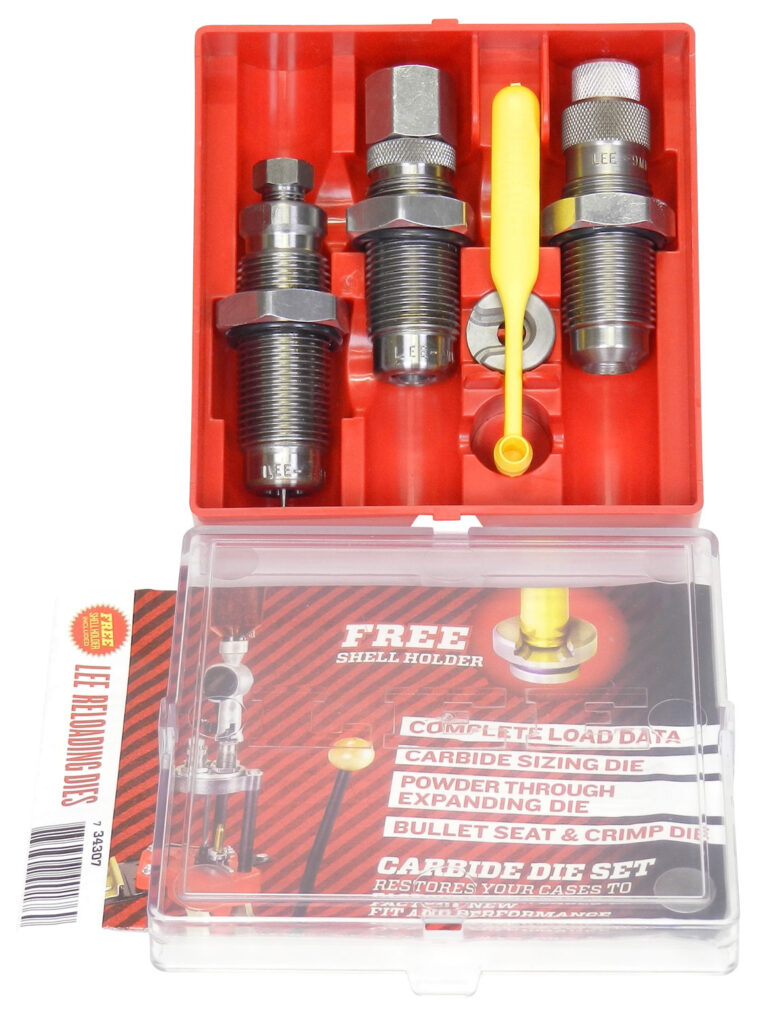
.38 Special Reloading (9)
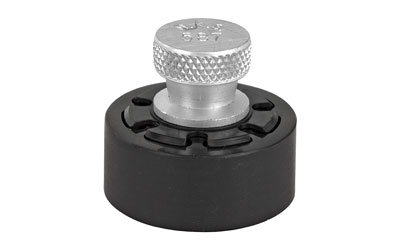
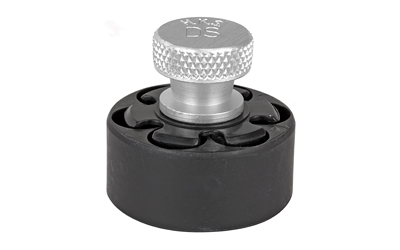
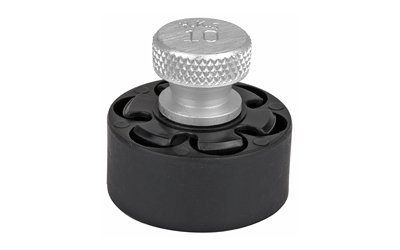
- Other Reloading Equipment Add to cartOriginal price was: $37.00.$35.00Current price is: $35.00. SALELow Stock
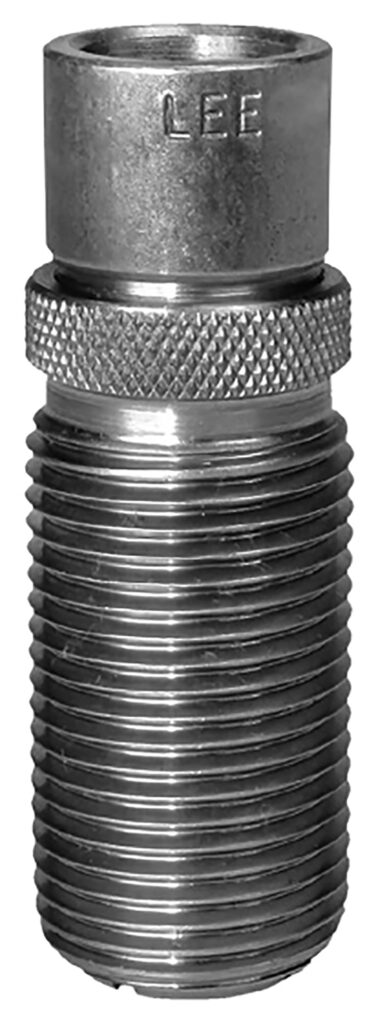
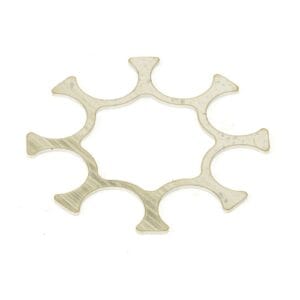
- Shellholders & Die Accessories Add to cartOriginal price was: $20.00.$19.00Current price is: $19.00. SALELow Stock