Shotgun
.410 Bore
Small but mighty
The .410 bore is the smallest commonly available shotgun shell, and it has a chip on its shoulder about that. Unlike other shotgun gauges — which are measured by the number of lead balls of bore diameter that make up a pound — the .410 is measured by its actual bore diameter in inches: .410 of an inch. It’s a legitimately different classification, which tells you something about how the .410 has always done things its own way. Small shell, small payload, big attitude.
The .410 bore dates back to the late 1800s, with commercial availability solidifying in the early 20th century. It was originally a British development — the .410 appeared in British gun trade catalogs in the 1870s and 1880s as a small garden gun cartridge, used for pest control at close range. American manufacturers adopted it and it became a standard offering in the U.S. market through the early 1900s. For much of its history, the .410 was positioned as a beginner’s shell — low recoil, light payload, forgiving to new shooters. Then Taurus chambered the Judge revolver for it, Mossberg made the Circuit Judge, and suddenly the .410 had a whole new generation of fans who’d never touched a shotgun in their lives. Small round, unexpectedly large cultural footprint.
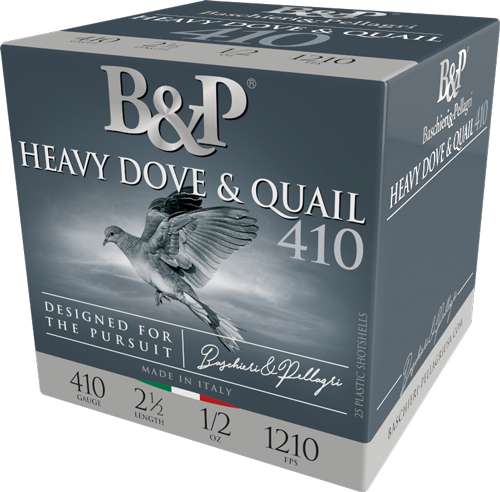
The standard .410 shell comes in 2.5-inch and 3-inch lengths. A 3-inch .410 shell typically holds 11/16 ounce of shot — significantly less than any other common shotgun gauge. Velocity is high because the payload is light: typical loads run around 1,100 to 1,200 feet per second. Recoil is genuinely mild, which is the round’s primary selling point for new shooters and smaller-framed individuals. The tradeoff is pattern density — there simply aren’t as many pellets, which means precise shooting matters more than it does with larger gauges. The .410 is unforgiving of sloppy technique in a way that will either improve your shooting or frustrate you into switching gauges. Most experienced .410 shooters say the former happened to them.
Introducing new shooters is probably the most common use — the light recoil makes the .410 a natural first shotgun experience for youth and recoil-sensitive adults. Small game and upland hunting at close range, where shot placement is feasible, is legitimate .410 territory. Pest control. Clay target shooting, where the difficulty is considered the point by people who enjoy suffering voluntarily. And then there’s the revolver crowd — the Taurus Judge and similar handguns chamber both .45 Colt and .410, which creates a unique home defense and trail gun option that sparks strong opinions on both sides. Don’t tell .410 shooters their round isn’t serious. They’ve heard it. They disagree.
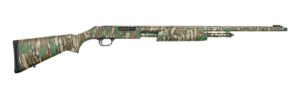
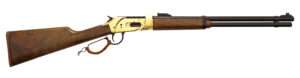
Single-shot break-action shotguns are the most common .410 platform — simple, affordable, and appropriate for the round’s typical applications. Mossberg’s 500 series includes .410 variants. The Mossberg 500 and 590 Cruiser in .410 have their fans. Taurus Judge revolvers and the Smith & Wesson Governor brought .410 into handgun territory. Henry offers .410/.45 Colt lever-action rifles. Savage, Winchester, and others have offered over-under and side-by-side options in .410 over the years. The platform selection is broader than most people expect for the smallest gauge in the lineup, which says something about the round’s persistent appeal.
Against 20 gauge, the comparison is mostly unfavorable for the .410 on paper — the 20 carries more shot, produces better patterns, and isn’t dramatically heavier in recoil. The .410 wins only on recoil and novelty. Against .28 gauge — and yes, this is a real comparison — the .28 actually carries a slightly larger payload with better pattern density, though the .410 firearms are more widely available and less expensive. Where the .410 makes its best case is in the revolver and lever-action platforms where no other shotgun shell competes: that’s a niche it owns completely, and it’s a more interesting niche than it sounds.
Arms East keeps .410 in stock because the people who shoot it are loyal to it and deserve a shop that takes them seriously. Whether you’re buying shells for your Judge, your kid’s first shotgun, or your upland rig, the staff here will help you find the right load without making you justify your gauge choice. Come in knowing what you’re doing, or come in knowing nothing at all — either way works fine.
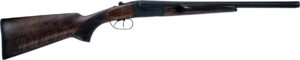
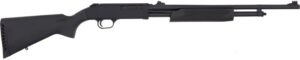
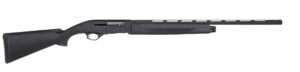
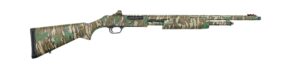
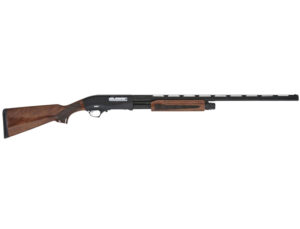
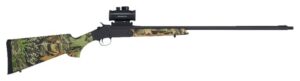
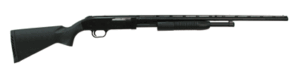
.410 Bore Shotguns (85)





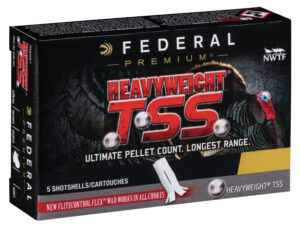
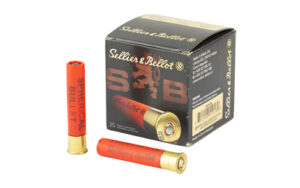
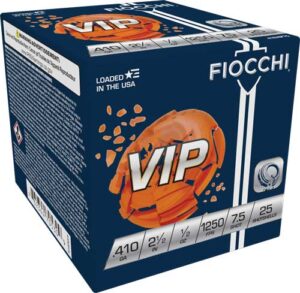
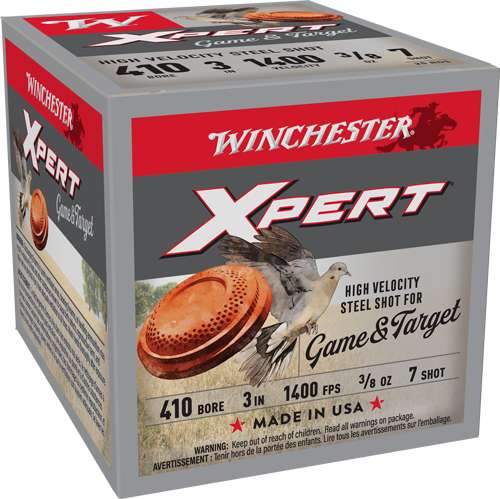
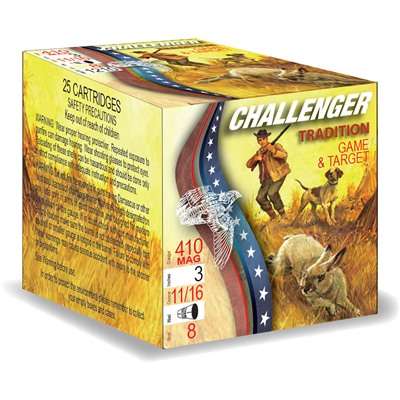
.410 Bore Ammunition (91)


.410 Bore Reloading (4)
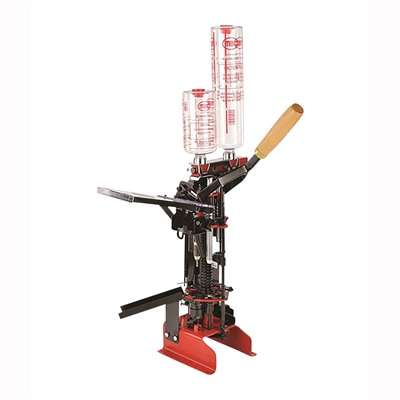
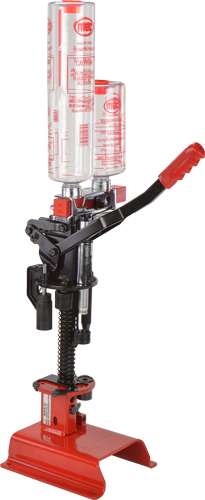
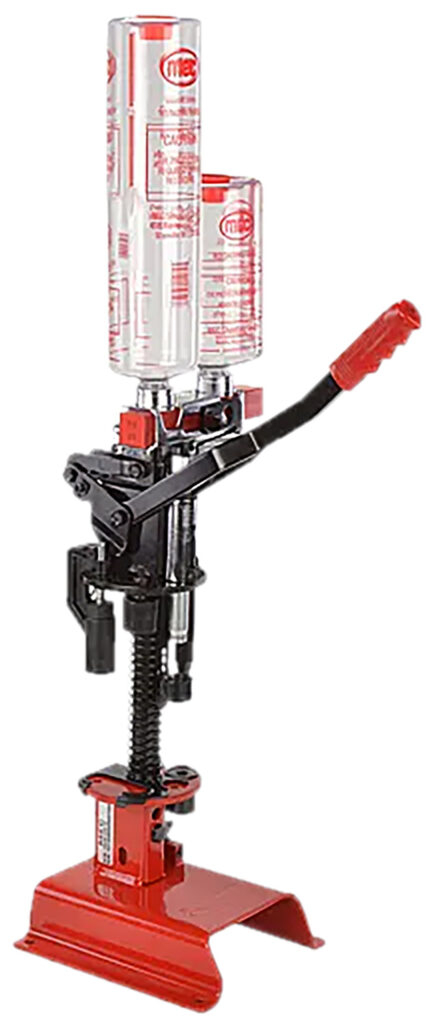
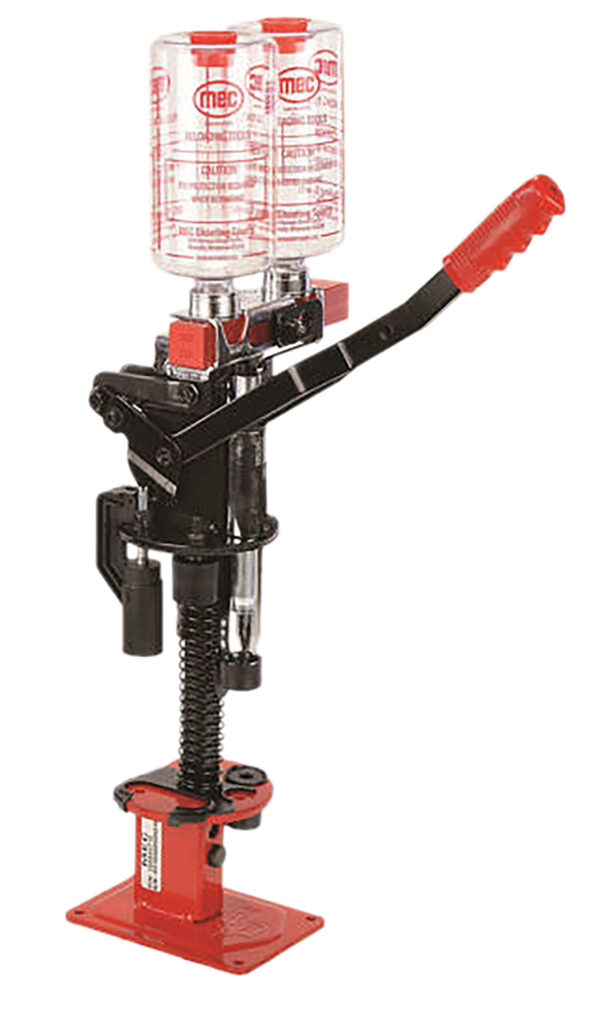
- Reloading Presses & Kits Add to cartOriginal price was: $493.00.$464.00Current price is: $464.00. SALELow Stock