Handgun
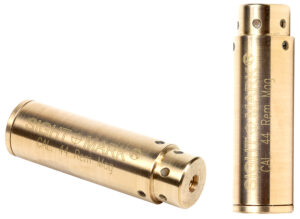
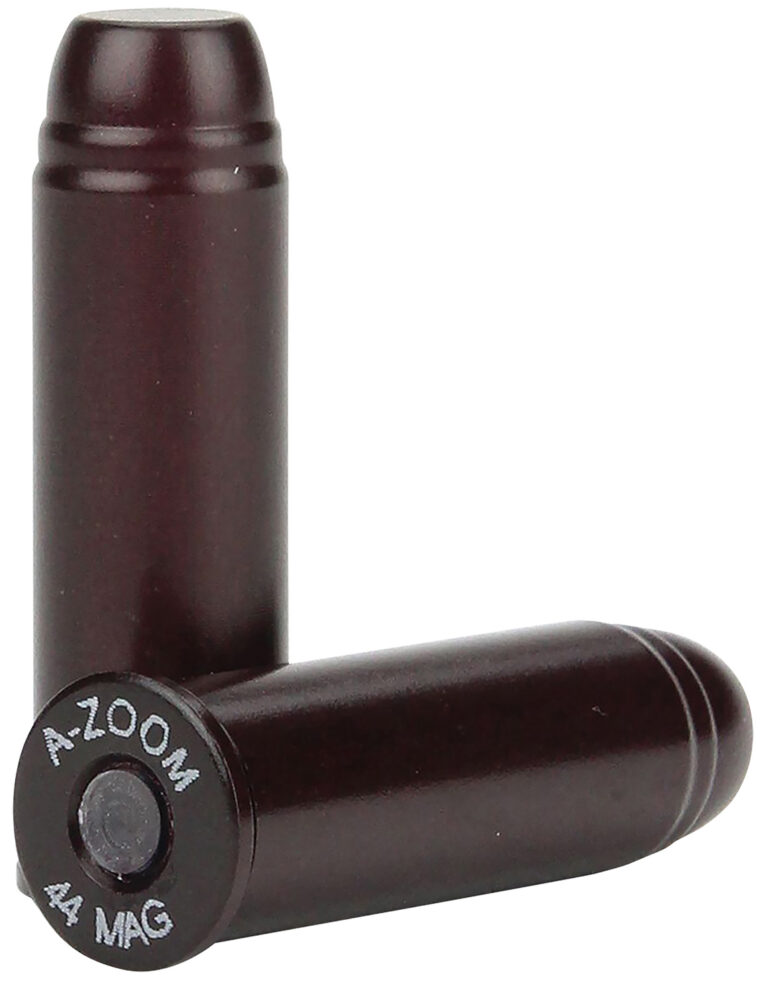
.44 Magnum
Do you feel lucky?
The .44 Magnum needs no introduction, but it’ll get one anyway. “The most powerful handgun in the world” — Clint Eastwood, 1971, playing a character who probably would have carried a 10mm if they’d been invented yet. The .44 Magnum held that title for real when it was introduced in 1955, and while it’s been surpassed in raw power since then, it remains one of the most capable and respected revolver cartridges on the market. If the .357 Magnum is the serious choice, the .44 Magnum is the emphatic one.
Elmer Keith had been pushing the limits of the .44 Special for years — loading it far beyond factory spec and reporting excellent results — before he partnered with Smith & Wesson and Remington to create a properly engineered high-pressure cartridge. The .44 Magnum was introduced in 1955, simultaneously with the Smith & Wesson Model 29, the revolver that would become the most famous handgun in cinema history. The cartridge was originally embraced by hunters and handloaders. Then Dirty Harry happened in 1971, and suddenly everyone wanted one.
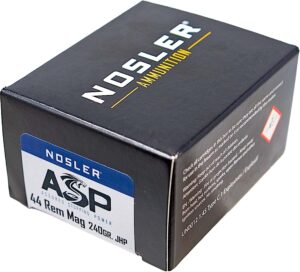
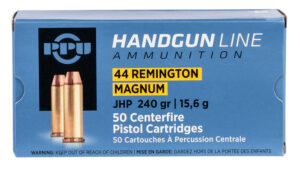
A standard 240-grain .44 Magnum load leaves a 6-inch barrel at approximately 1,180 feet per second and delivers around 741 foot-pounds of energy. That’s more than twice the muzzle energy of a standard 9mm load. Lighter 180-grain loads push past 1,600 fps with some manufacturers. Heavy 300-grain hunting loads stay subsonic but hit with enormous momentum. The .44 Magnum’s range of available loads is one of its great strengths — you can shoot mild .44 Special loads for practice, step up to standard Magnum loads for general use, and run heavy hunting loads when the situation calls for it.
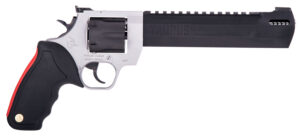
Handgun hunting is the primary serious use case — the .44 Magnum is one of the most proven deer cartridges available in a handgun, and it handles hogs, black bear, and elk-sized game at appropriate ranges. Bear defense in grizzly country, though many guides and wildlife professionals prefer even larger cartridges for that specific role. Silhouette shooting, where the .44 Magnum’s power and accuracy make it a natural. And recreational shooting, because an 8-inch Model 29 at the range is one of those experiences that every shooter should have at least once, preferably with hearing protection.
Pros: substantial power for hunting and defense, compatibility with the much milder .44 Special for practice, excellent selection of firearms from Smith & Wesson and Ruger, and the kind of track record that only comes from seventy-plus years of real-world use by hunters and outdoorsmen. Cons: significant recoil and muzzle blast, especially in lighter revolvers. Full-power .44 Magnum loads in a 4-inch gun are a workout. Ammunition is more expensive than most handgun calibers. And the guns tend to be large and heavy, which limits practical carry options to the most dedicated outdoorsman builds.
The Smith & Wesson Model 29 used in the Dirty Harry films is a 4-inch barreled version, which was an unusual choice — most hunters preferred longer barrels for the added velocity. Eastwood’s prop team chose it for visual impact. The Model 29 sold out across the country after the film’s release in 1971. Elmer Keith, who had done more than anyone to bring the cartridge into existence, reportedly was less than thrilled with how Hollywood was representing his life’s work. He preferred his revolvers doing actual work.
Arms East carries .44 Magnum revolvers from Smith & Wesson and Ruger, plus a full selection of ammunition from .44 Special practice loads to full-power hunting rounds. If you’ve been eyeing a Model 29 or a Ruger Super Redhawk and haven’t committed yet, come in. We’ll tell you exactly what you’re getting into — recoil and all — and we’ll help you find the right load for what you want to do with it.
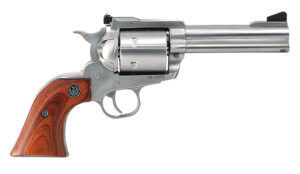
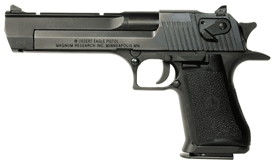
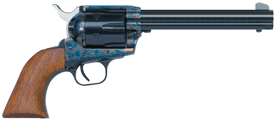
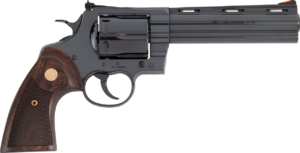
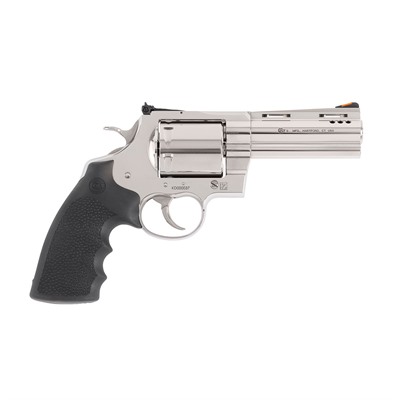
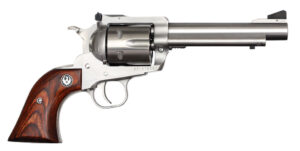
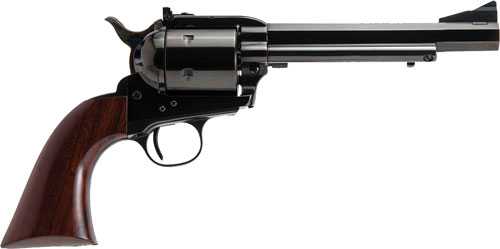
.44 Magnum Handguns (77)
- Semi Auto Handguns Add to cartOriginal price was: $2,540.00.$2,394.00Current price is: $2,394.00. SALELow Stock