Handgun
.45 ACP
Two world wars
The .45 ACP. If you need more than that, you probably haven’t shot one. John Moses Browning designed it in 1904, it went into the 1911 pistol, and together they served the United States military through two World Wars, Korea, Vietnam, and decades beyond. The .45 ACP crowd doesn’t evangelize because they need to. They evangelize because they’ve shot it, and it does something that most other handgun cartridges simply don’t — it makes a very large hole, very decisively. That tends to stick with people.
John Browning developed the .45 ACP in 1904 for use in a new semi-automatic pistol being evaluated by the U.S. Army. The Army wanted a caliber of at least .45 after complaints about the stopping power of the .38 Long Colt during the Philippine-American War. Browning delivered both the cartridge and the pistol — the 1911 — which was formally adopted on March 29, 1911. It served as the standard U.S. military sidearm until 1985, when it was replaced by the Beretta M9 in 9mm. The 1911 crowd has been grumbling about that decision for over forty years. They’re not wrong to.
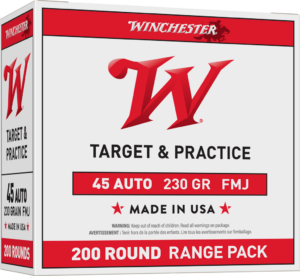
The classic .45 ACP load is a 230-grain full metal jacket at approximately 830 feet per second, producing around 356 foot-pounds of energy. That’s subsonic by design — the .45 was built to be reliable and authoritative, not flashy. Defensive hollow point loads in 185 or 200 grains run faster, around 950 to 1,050 fps, with better expansion. The .45 doesn’t need speed to make its point. A .45-caliber hole is a .45-caliber hole before the bullet ever expands, and that frontal diameter means it starts doing damage immediately.
Self-defense, competition, and military history re-enactment of the entire 20th century. The 1911 platform in .45 ACP remains one of the most popular competition pistols in the world. USPSA, IDPA, and bullseye shooting all have robust .45 ACP participation. It’s also the quintessential American defensive pistol cartridge — carried by more generations of soldiers, police officers, and civilians than any other semi-automatic round. The modern polymer pistol market offers .45 options too, with Glock, Springfield, and others making compact and full-sized .45s for people who want the caliber without the weight of steel.
Pros: large diameter, proven terminal performance, widely available, and chambered in some of the finest pistols ever made. The 1911 trigger, in the hands of a good gunsmith, is a thing of beauty — a fact that has nothing to do with caliber and everything to do with why people keep buying them. Cons: lower magazine capacity than 9mm or .40, more expensive to shoot, and heavier guns overall. Full-sized 1911s are not light. The “9mm is just as effective” argument is real and the data supports it. The counter-argument is that .45 ACP has been effectively stopping threats since before your grandfather was born, and that’s not nothing.
The .45 ACP was specifically designed to be subsonic so it would function reliably through the 1911’s operating system. That subsonic characteristic also makes it exceptionally well-suited for suppressed shooting — it’s naturally quiet, it meters cleanly, and suppressors love it. The .45 ACP is one of the most suppressor-friendly cartridges available, which is an unexpected bonus for a round designed in 1904. John Browning was operating on a different level.
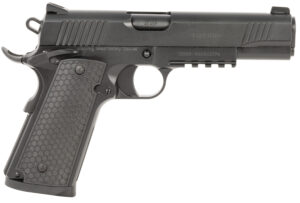
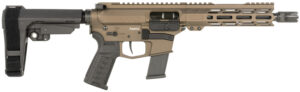
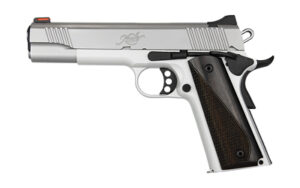
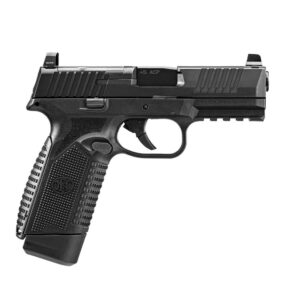
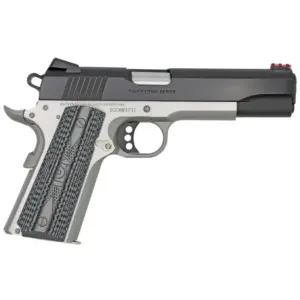
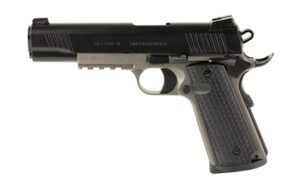
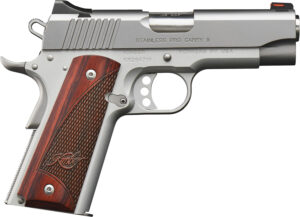
Arms East carries .45 ACP pistols across the spectrum — 1911s from Colt, Springfield, and Kimber, polymer-framed options from Glock and Springfield, and everything in between. Ammunition in stock ranges from practice FMJ to premium defensive hollow points. If you’ve always wanted a 1911 but haven’t pulled the trigger on it yet — pun entirely intended — come talk to us. We’ll find you the right one.
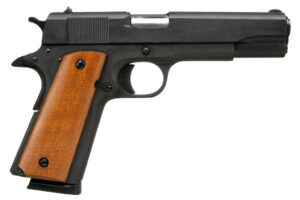
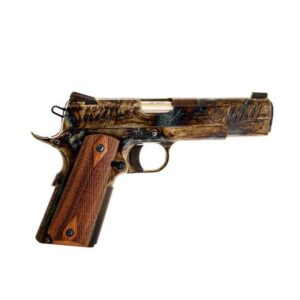
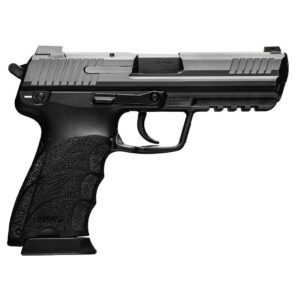
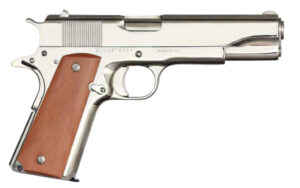
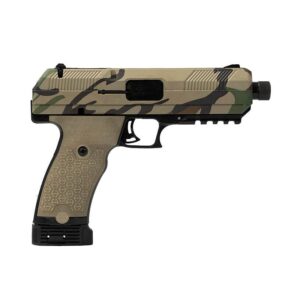
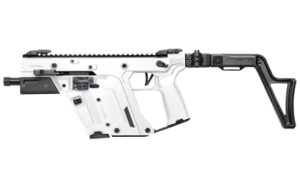
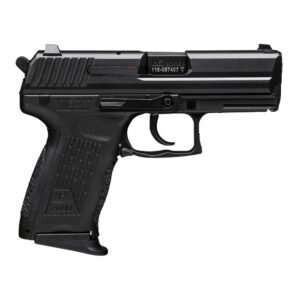
.45 ACP Handguns (333)

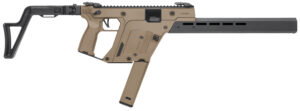
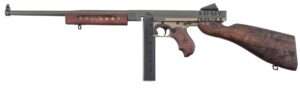
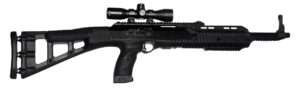
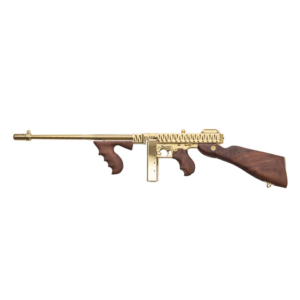
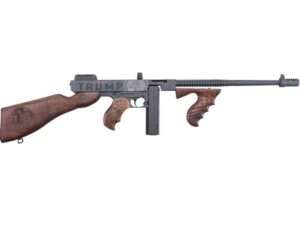
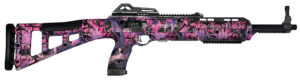
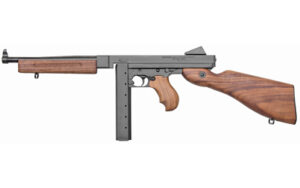
.45 ACP Rifles (64)






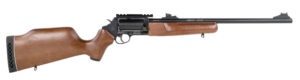
.45 ACP Shotguns (1)
- Single Shot Shotguns Add to cartOriginal price was: $759.00.$711.00Current price is: $711.00. SALEIn Stock
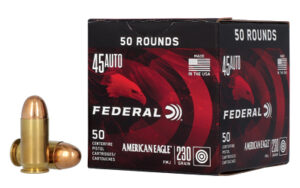
.45 ACP Ammunition (92)
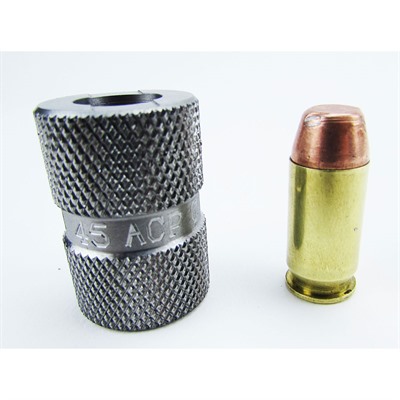
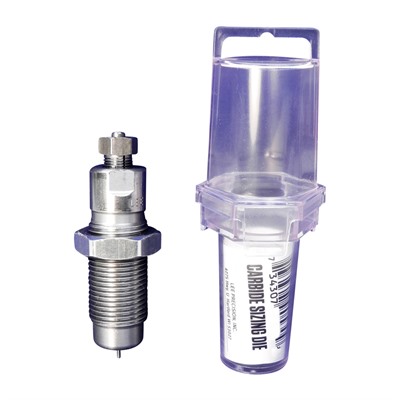
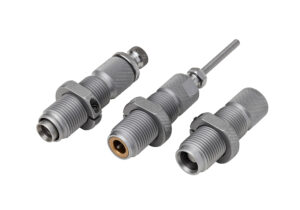
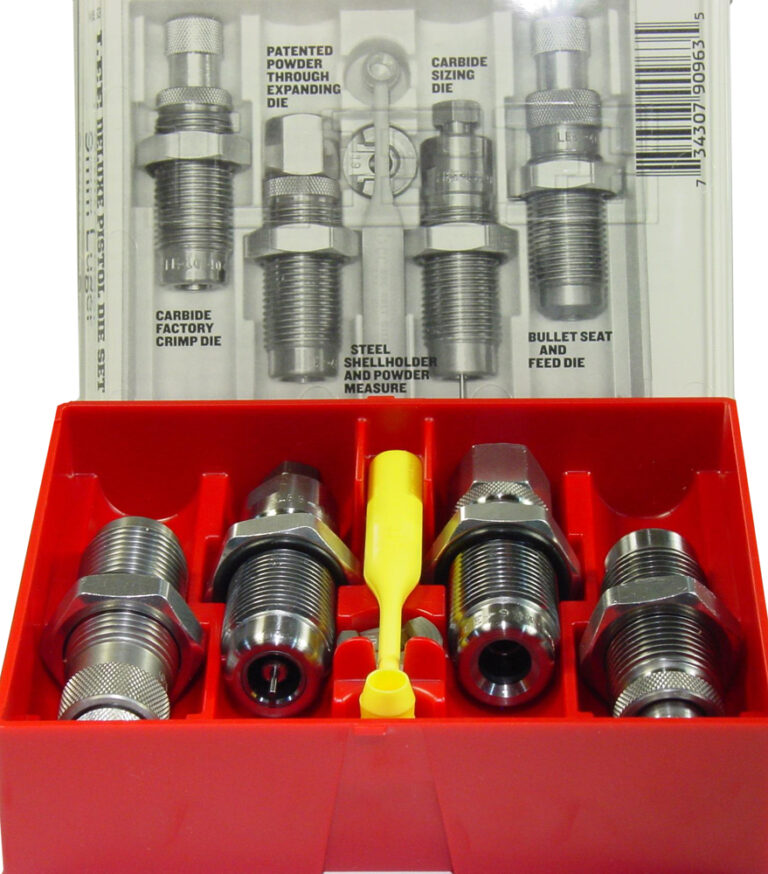
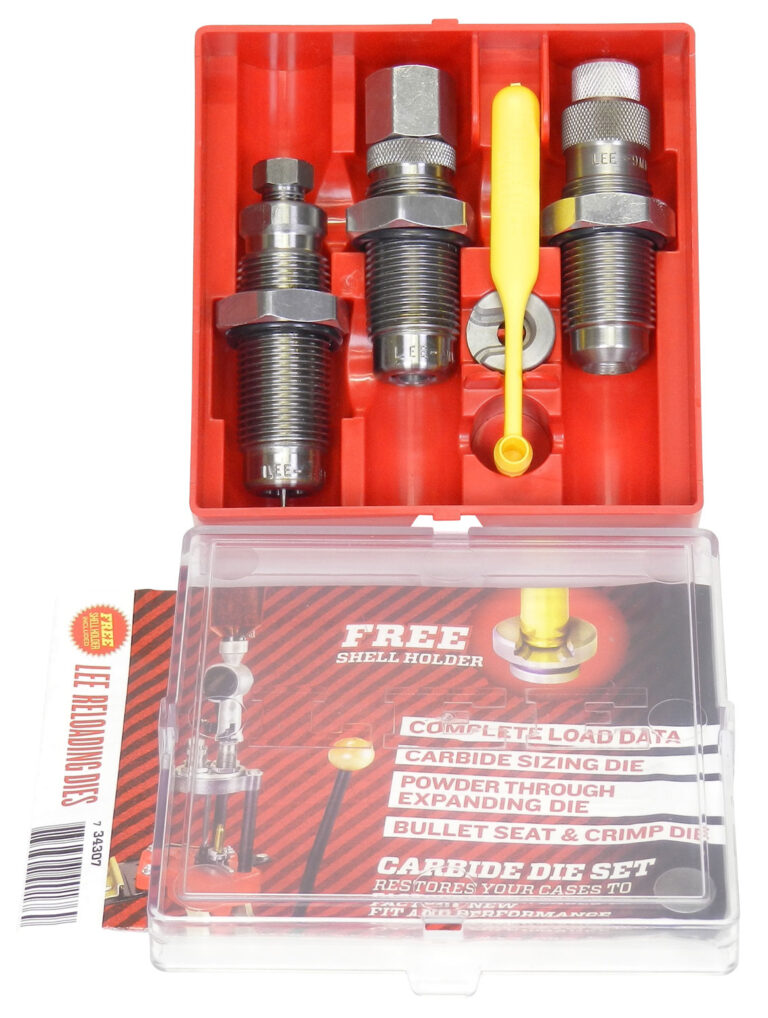
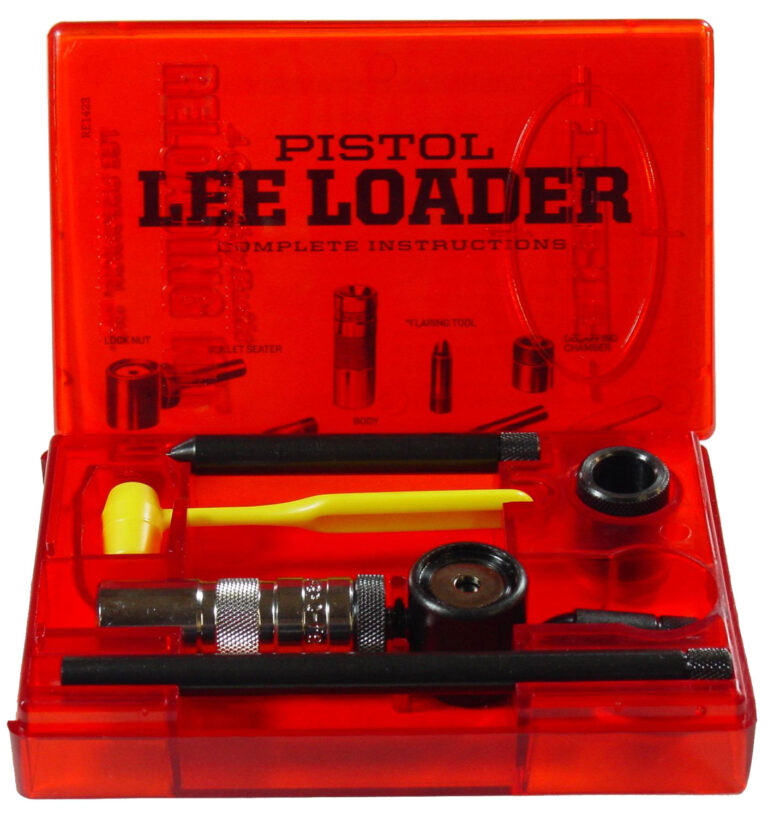
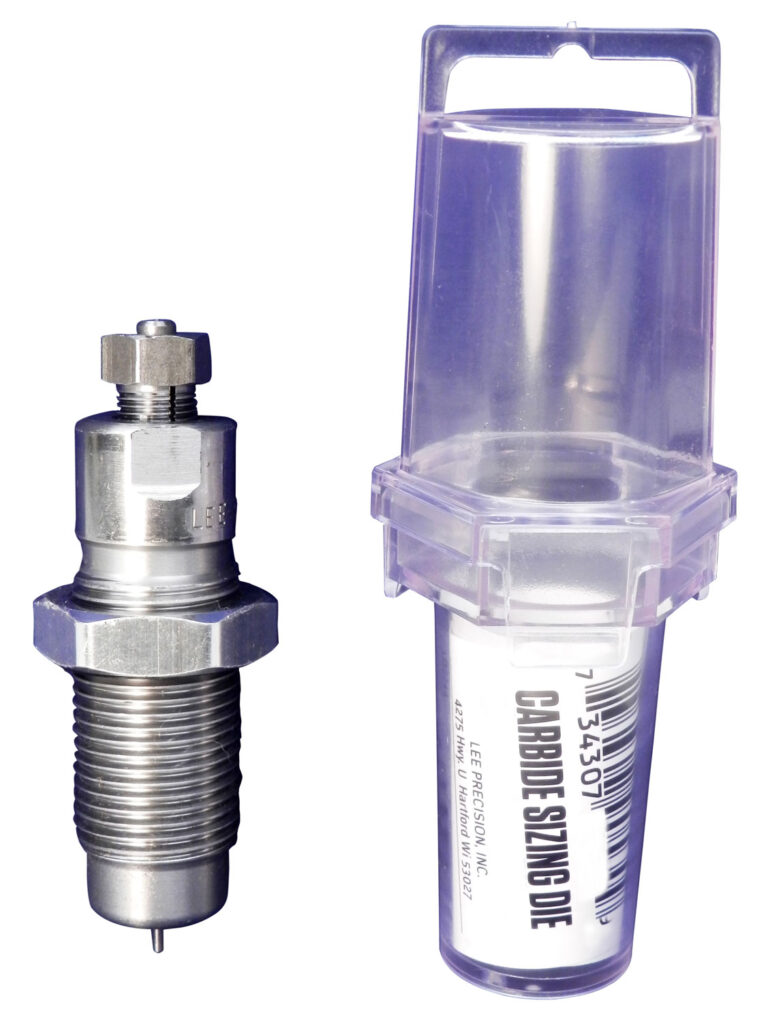
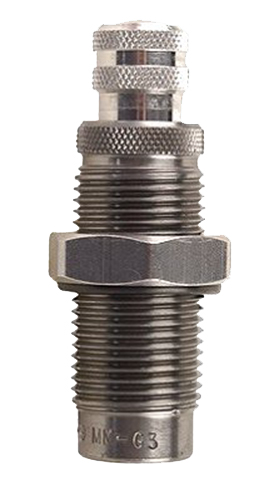
.45 ACP Reloading (16)
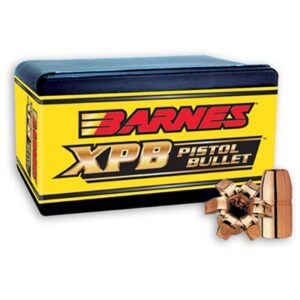
- Reloading Tools Add to cartOriginal price was: $27.00.$23.00Current price is: $23.00. SALELow Stock
- Other Reloading Equipment Add to cartOriginal price was: $37.00.$35.00Current price is: $35.00. SALELow Stock


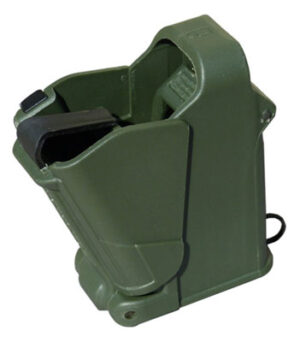
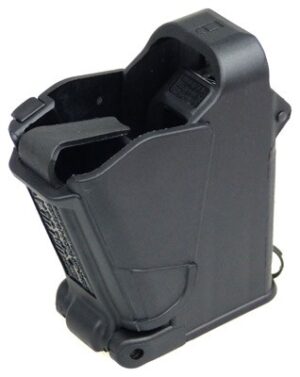
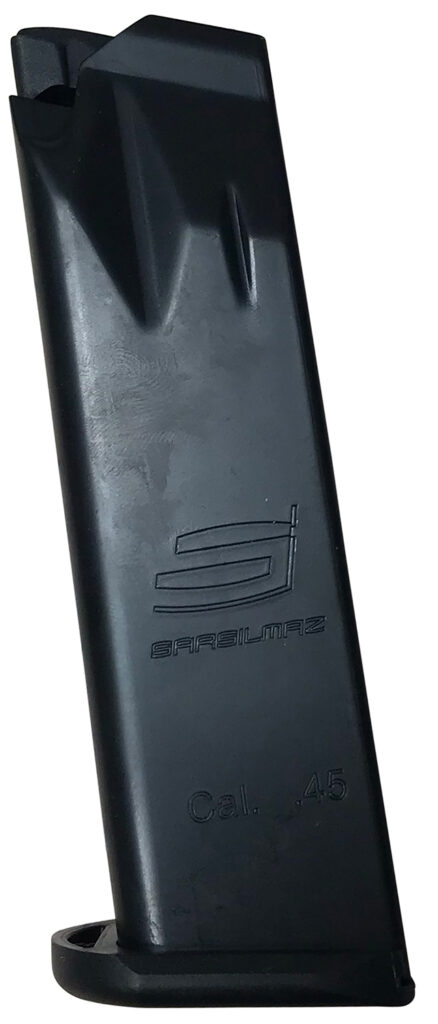
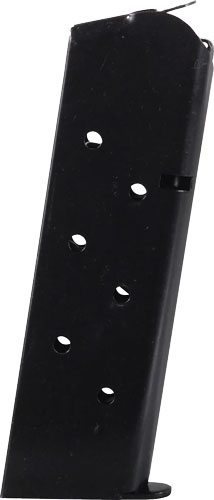
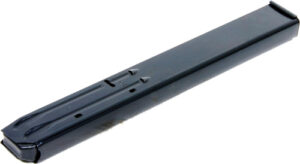
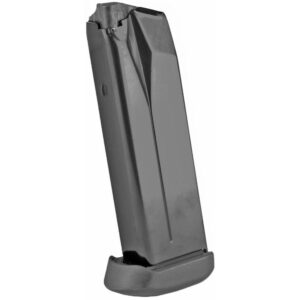
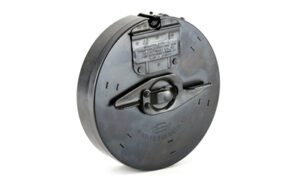
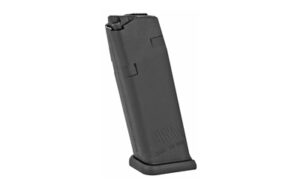
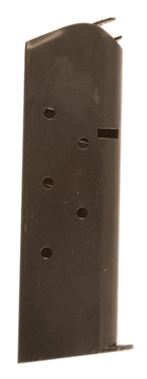
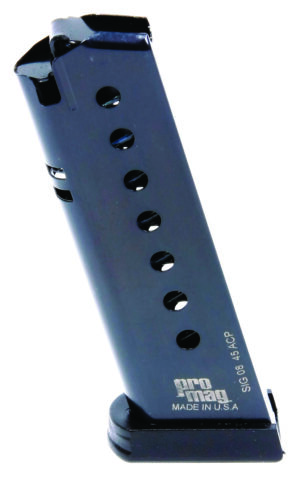
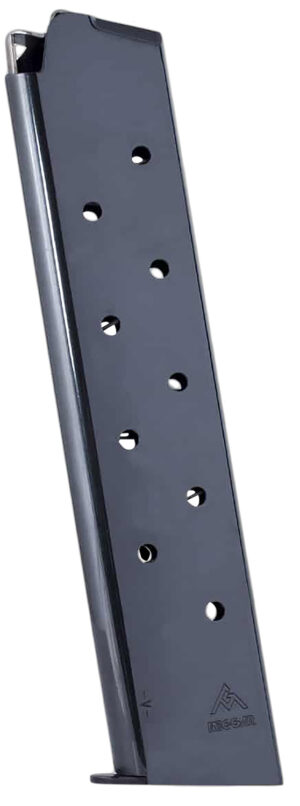
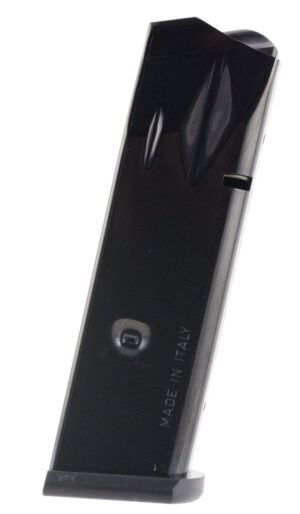
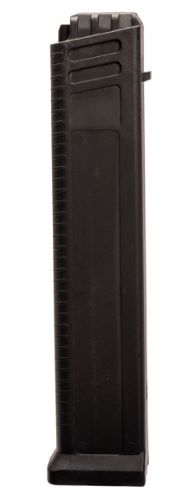
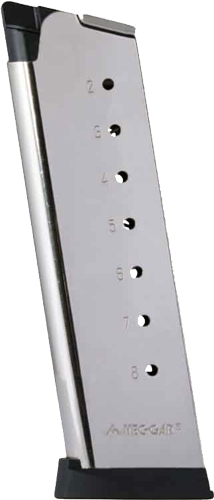
.45 ACP Magazines (237)
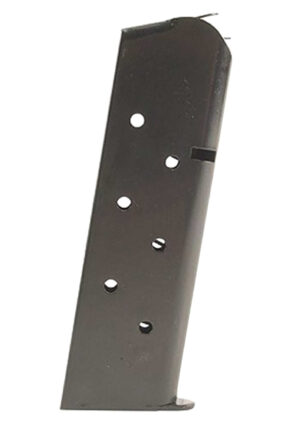
- Rifle Magazines Add to cartOriginal price was: $338.00.$312.00Current price is: $312.00. SALEIn Stock
.45 ACP Optics & Sights (1)
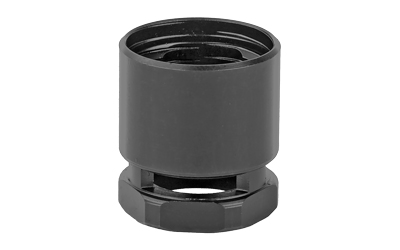
.45 ACP Parts & Accessories (20)
- Other Gun Accessories & Parts Add to cartOriginal price was: $13.00.$12.00Current price is: $12.00. SALEIn Stock